
Industries
Six industries, one approach: start from the operational challenge, bring the right technology, prove it on site and scale what works.
Recovery, water, tailings and energy, from the pit to a refined product.
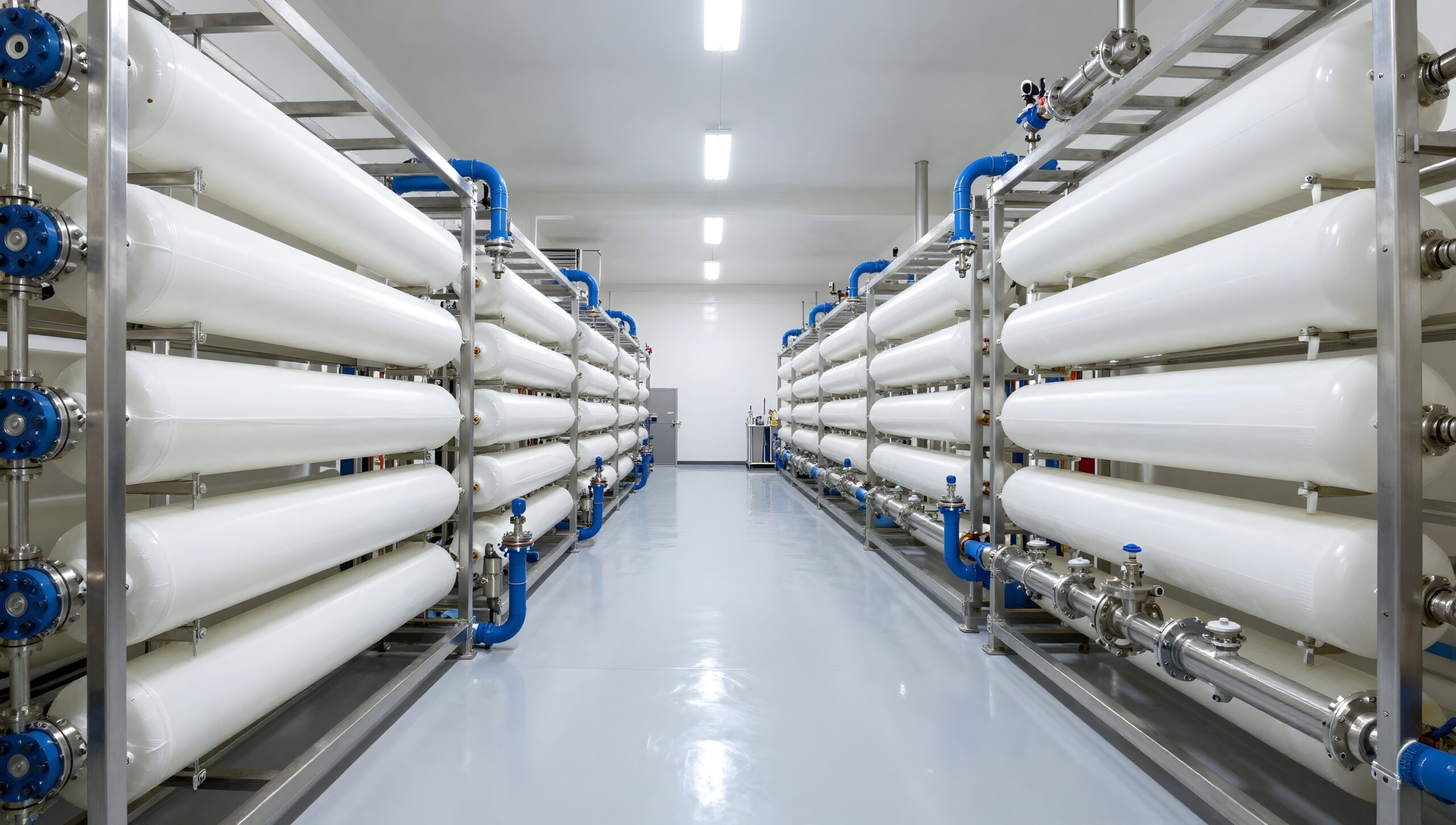
Treatment, reuse and ZLD engineered around the real water chemistry.
A mill is three plants in one: process, water and power.
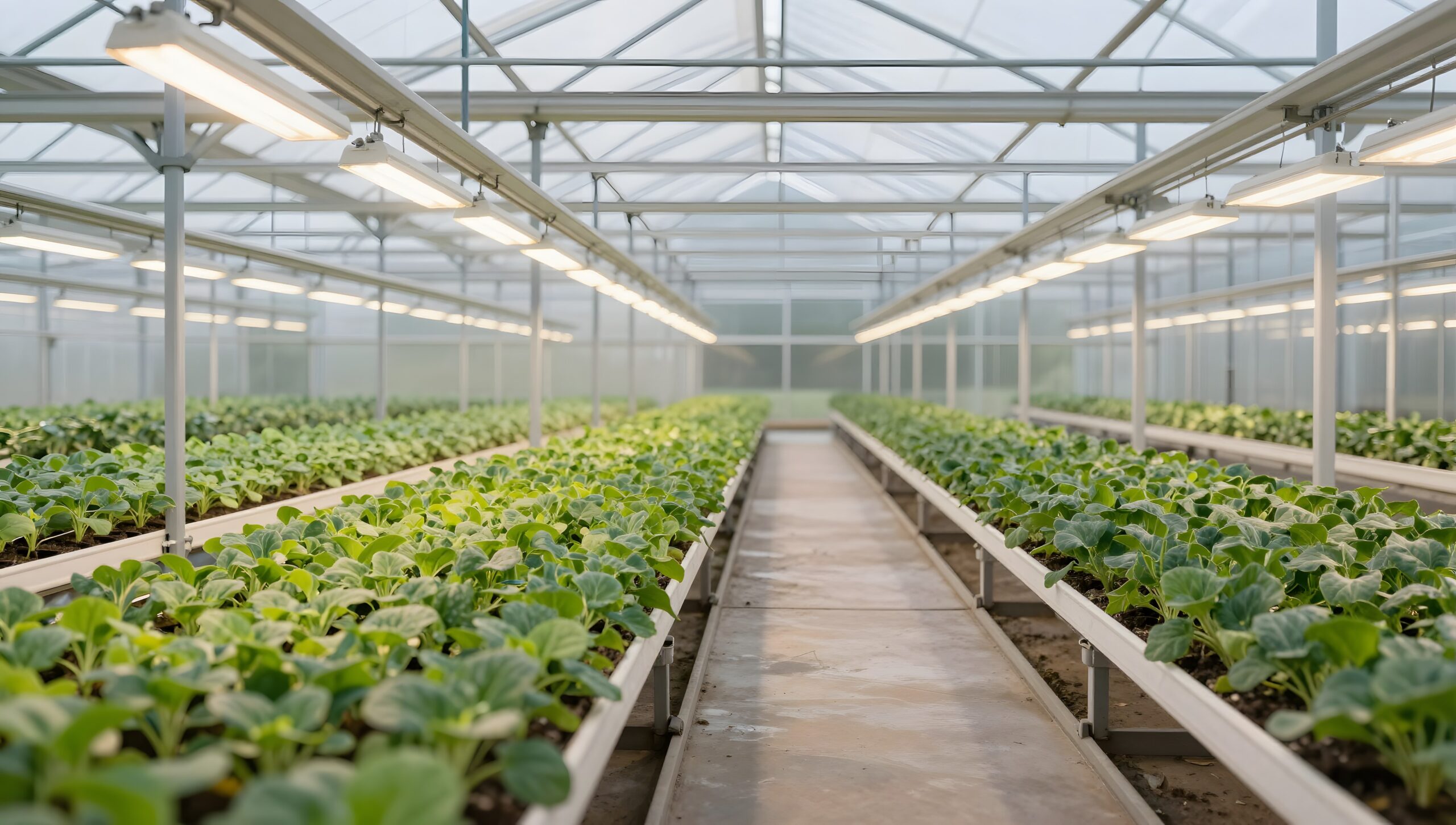
From agro-industrial residues to nutrients, inputs and smarter water.
Agentic AI that runs every layer of the plant and proves every recommendation.
Defending the IT, OT and AI systems that critical operations depend on.
Industry 01
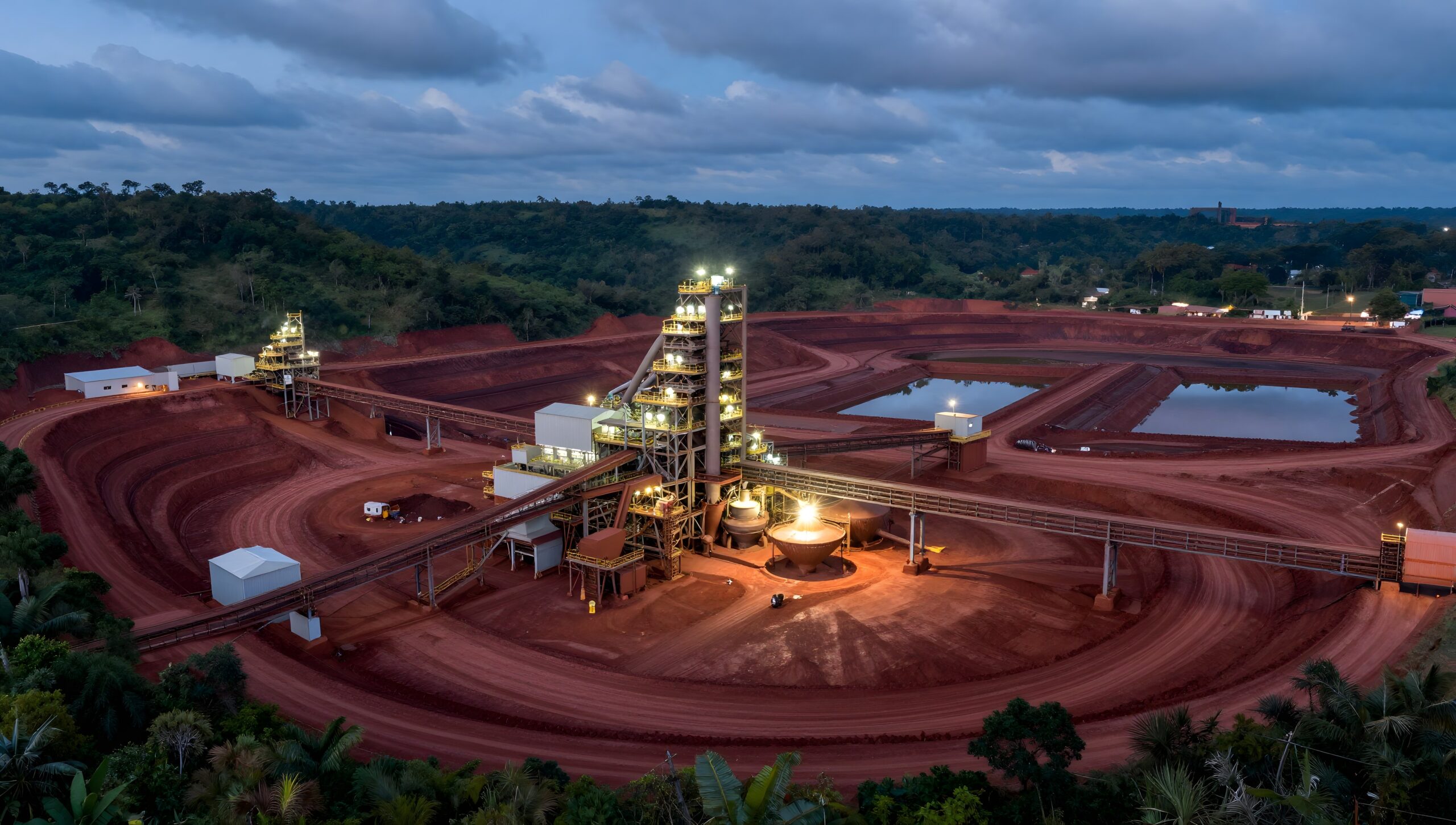
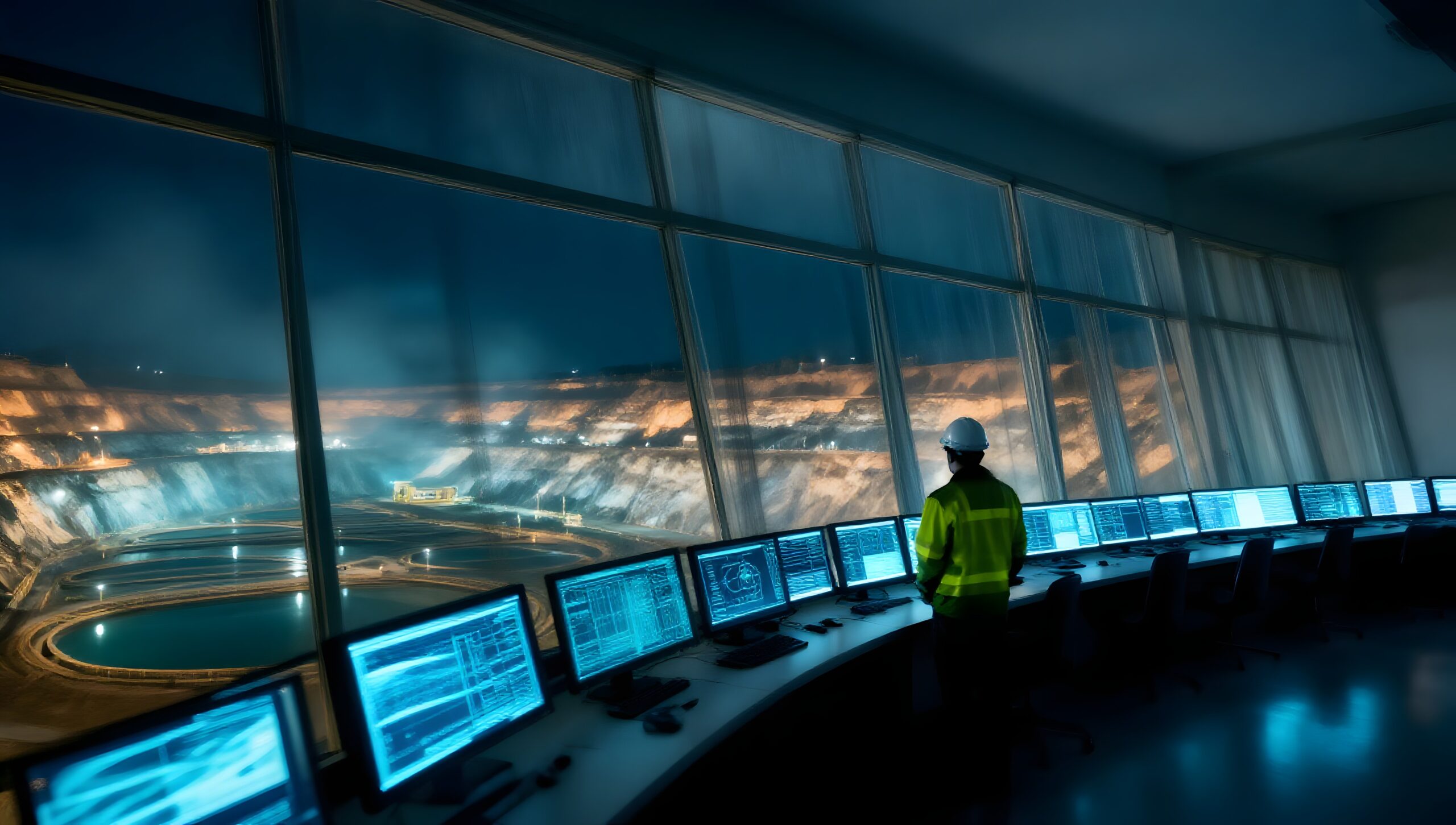
Mines and refineries face falling ore grades, tighter water and tailings regulation, energy-hungry comminution and the strategic pressure of critical-mineral supply. We bring technologies that recover more value from every tonne, including the tonnes already sitting in the tailings facility.
AI-planned, physics-screened, robot-validated recovery routes from tailings, black mass and by-products.
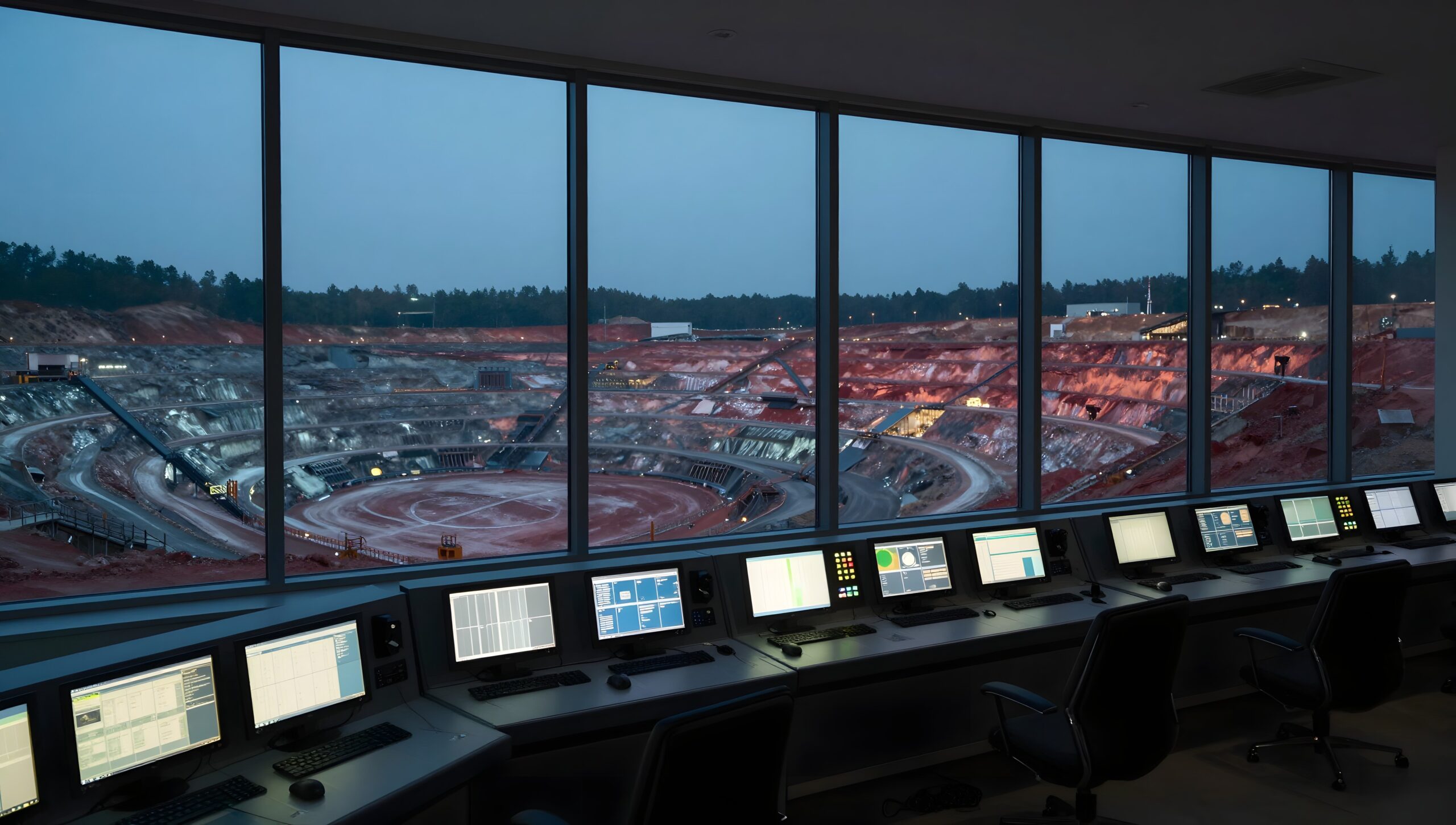
Agentic AI across every layer of the concentrator, from comminution to tailings and the discharge permit.
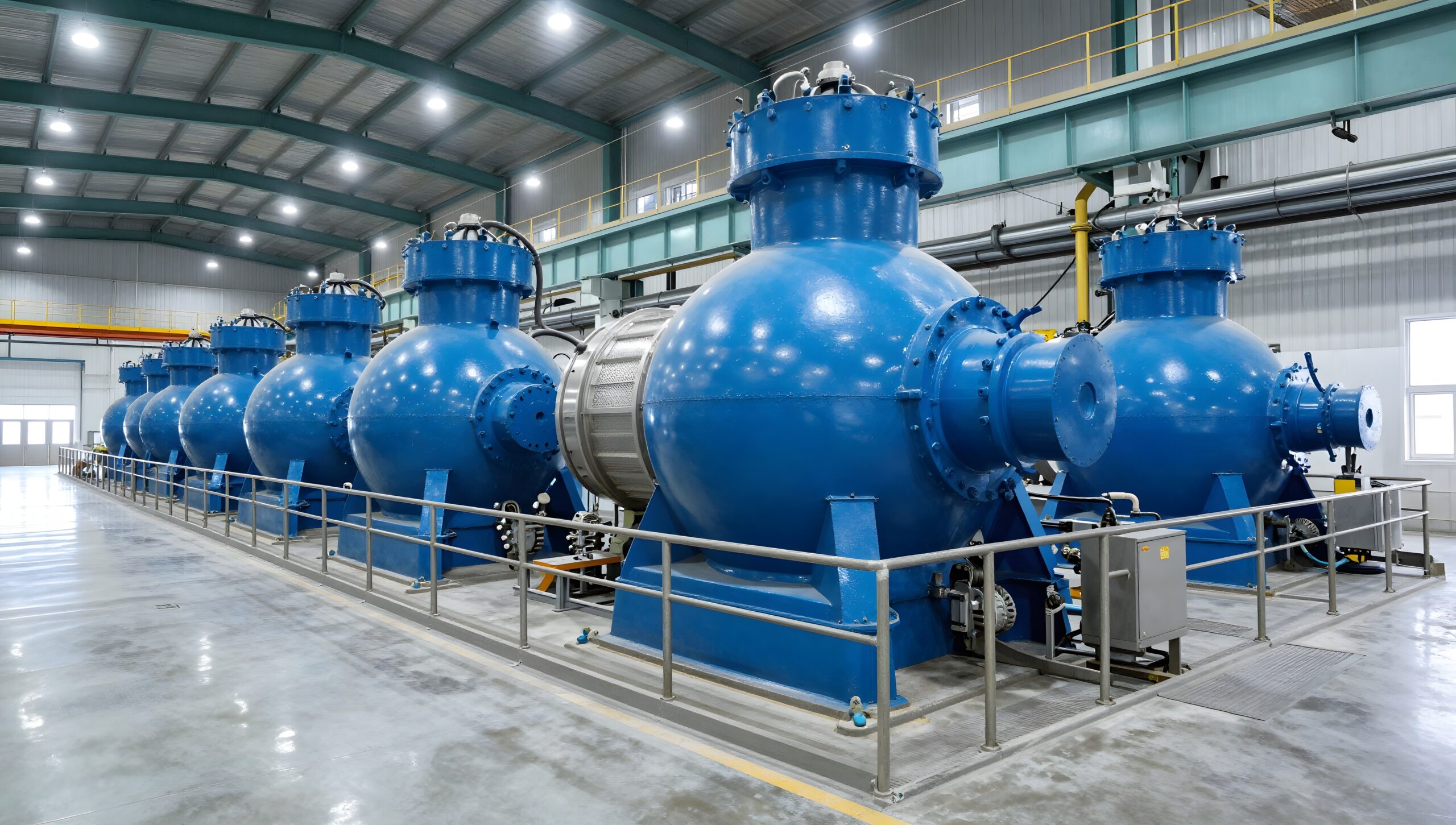
Treatment trains for process water, brine and zero liquid discharge, validated by more than 50 engineering engines.
Magnetic nano-robots for selective lithium recovery, designed for deployment at the source.
Magnetic nano-robots for selective rare-earth recovery, designed for deployment at the source.
OT and SCADA defence for pit, plant, tailings and haulage systems, planned with operations.
of concentrator OPEX sits in comminution
of global lithium refining capacity sits in China
of 2024 refined magnet rare-earth output came from China
industry benchmark for an hour of unplanned downtime
Sources: IEA Global Critical Minerals Outlook; Applied Sciences 15(3):1602, 2025 (comminution share of concentrator OPEX); published industry benchmark for downtime cost.
Industry 02
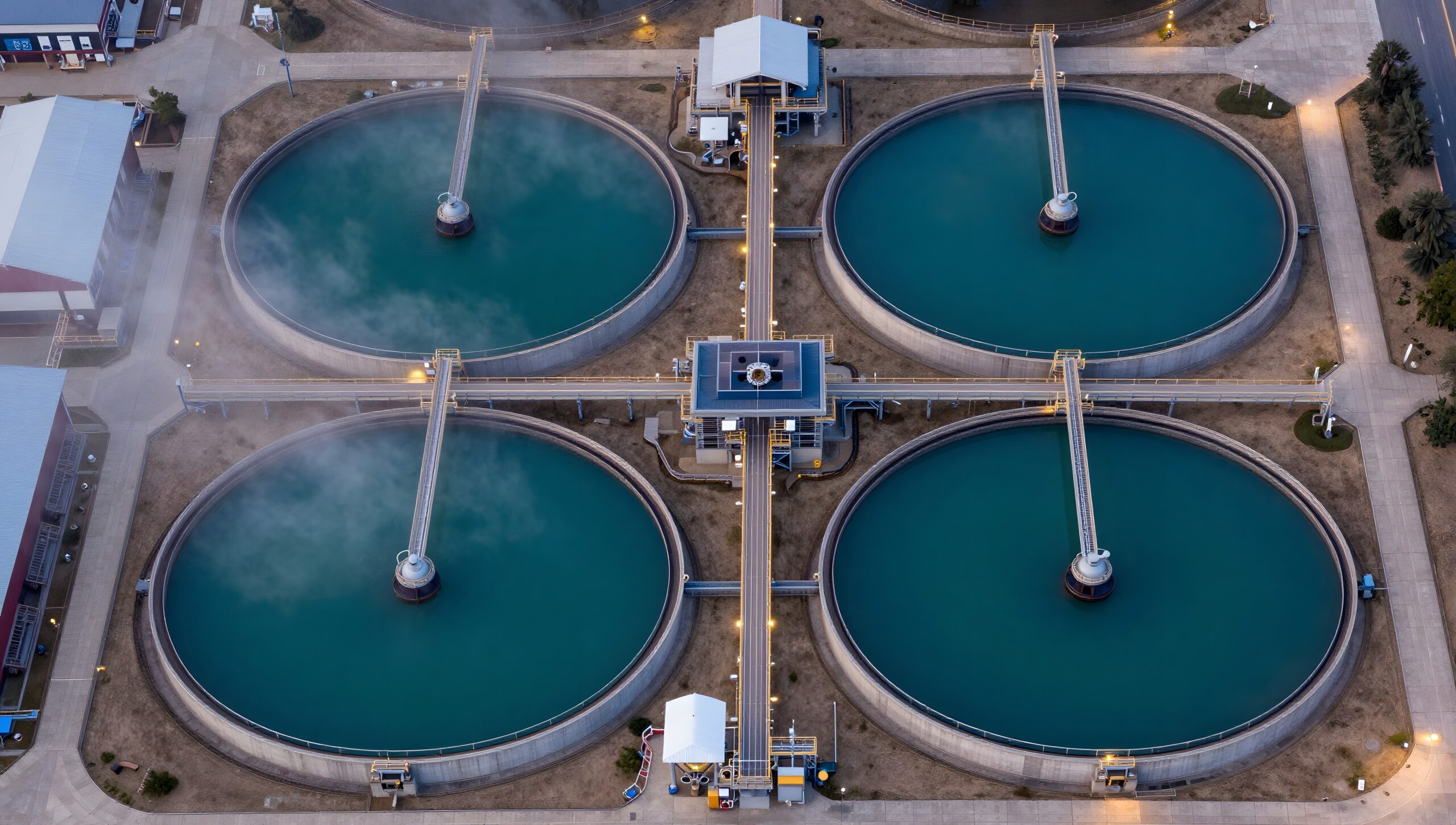
Water is the constraint behind every industrial licence. With more than 25 years in industrial and mining wastewater, from full-scale plants in Ghana to water-recycling designs for zinc smelters in Brazil and Peru, including zero liquid discharge, we engineer treatment, reuse and recovery around the real water chemistry, not a vendor catalogue.
Agentic AI that synthesises complete treatment trains, with deterministic engines validating chemistry, membranes, hydraulics and cost.
Granted US and Chinese patents for industrial wastewater treatment, sulphate and calcium reduction and zero liquid discharge.
Design, construction and long-term operation of full-scale treatment plants, including 10 years of O&M in Ghana.
Technologies under evaluation: ozone nanobubbles, photocatalytic purification and advanced oxidation for soil and groundwater.
industrial water infrastructure market, 2025 to 2035
deterministic engineering engines validating every route
of O&M on full-scale mining wastewater plants in Ghana
granted patents in industrial wastewater treatment and ZLD
Sources: group project record (bankergroup.co); market figure from published industrial water infrastructure forecasts.
Industry 03
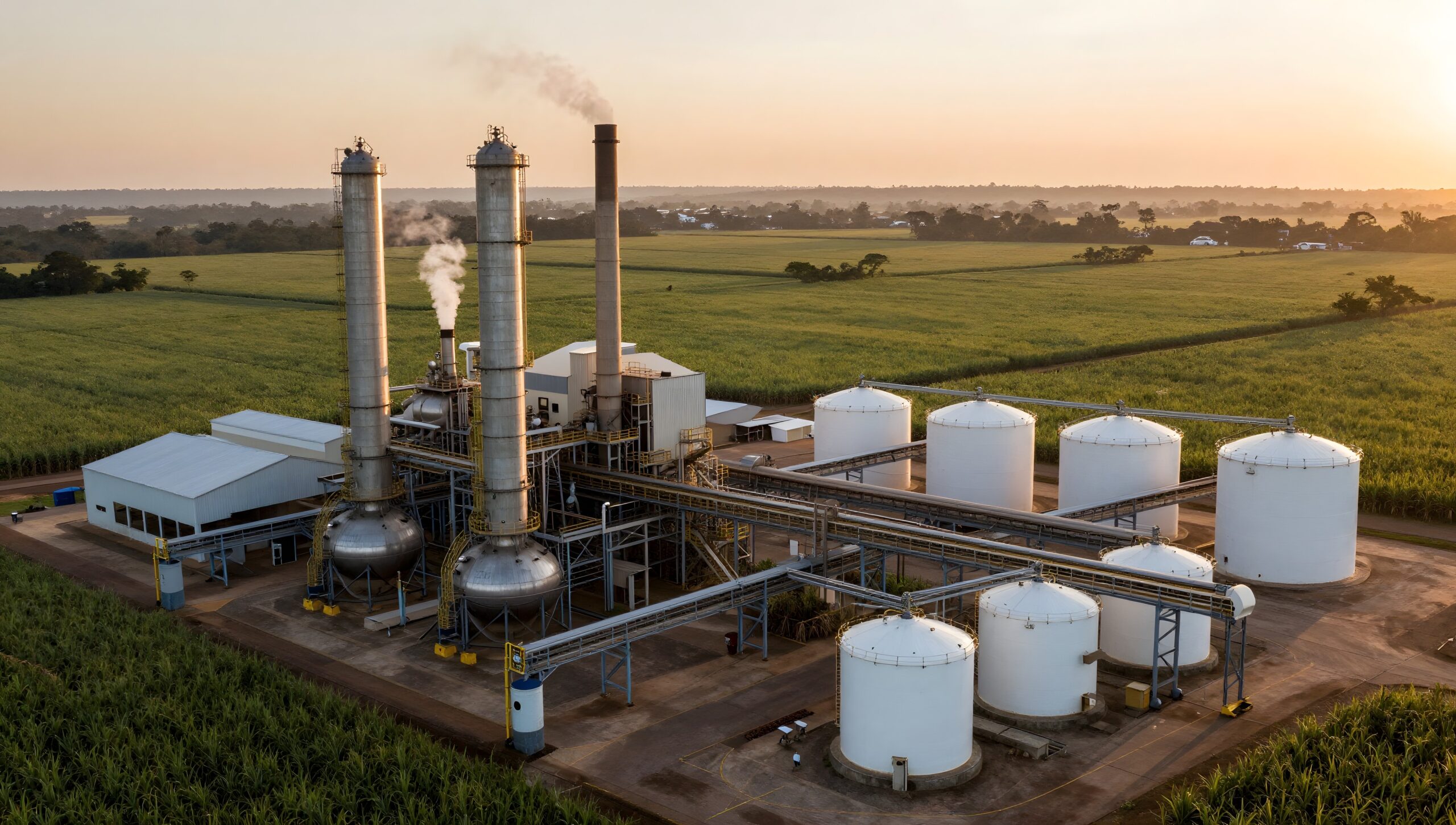
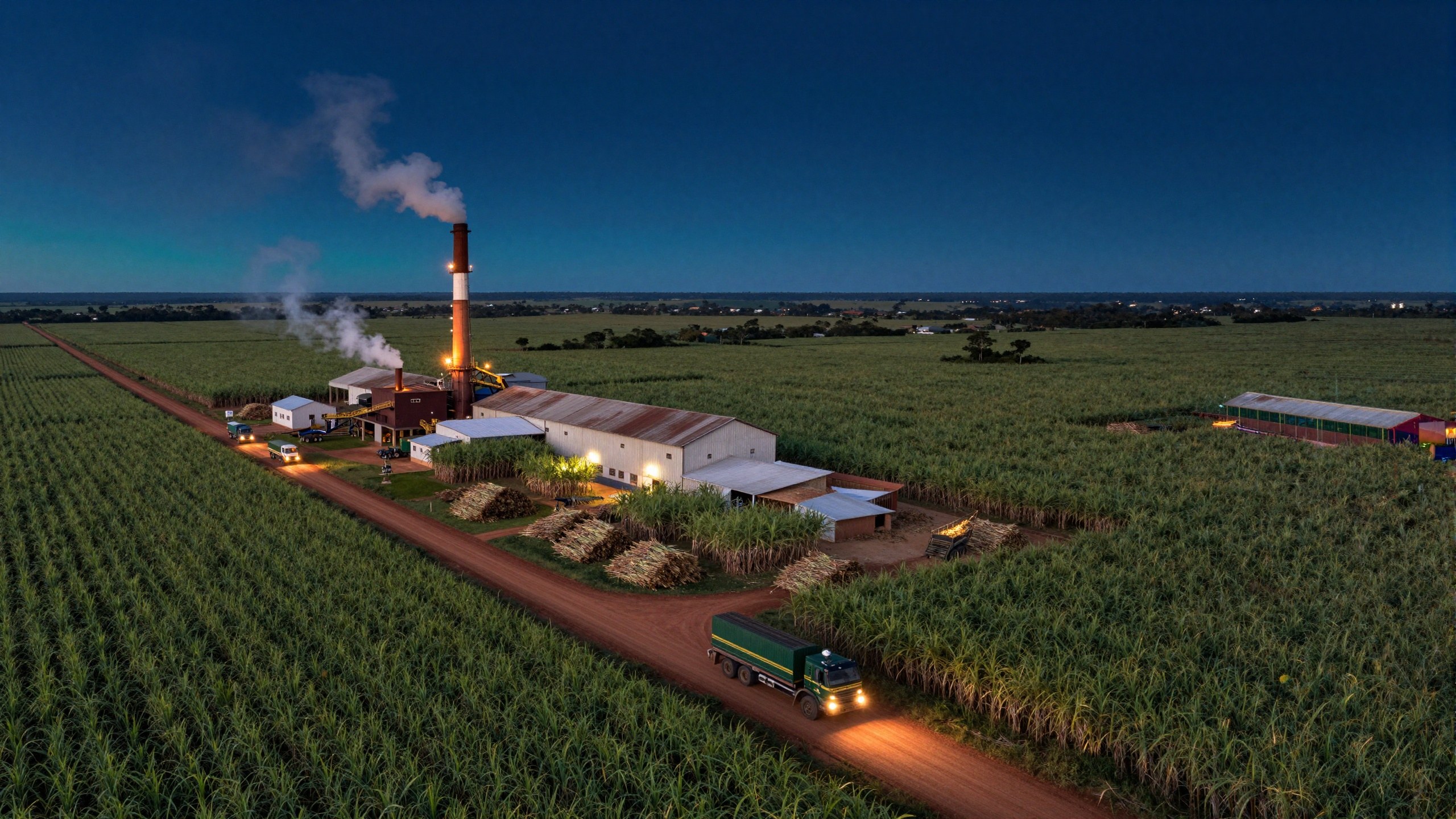
A mill is simultaneously a process plant, a water plant and a power plant, and each of them leaves value on the table. Our ventures are built to reconcile the three in one picture, and to assess residues such as vinasse, filter cake and boiler ash as a potential by-product line rather than a disposal cost.
Milling, juice treatment, evaporation, boiling house, fermentation, distillation and cogeneration reconciled in one control room.
Condensate and imbibition water, cooling circuits, boiler feed water, effluent and fertirrigation under permit.
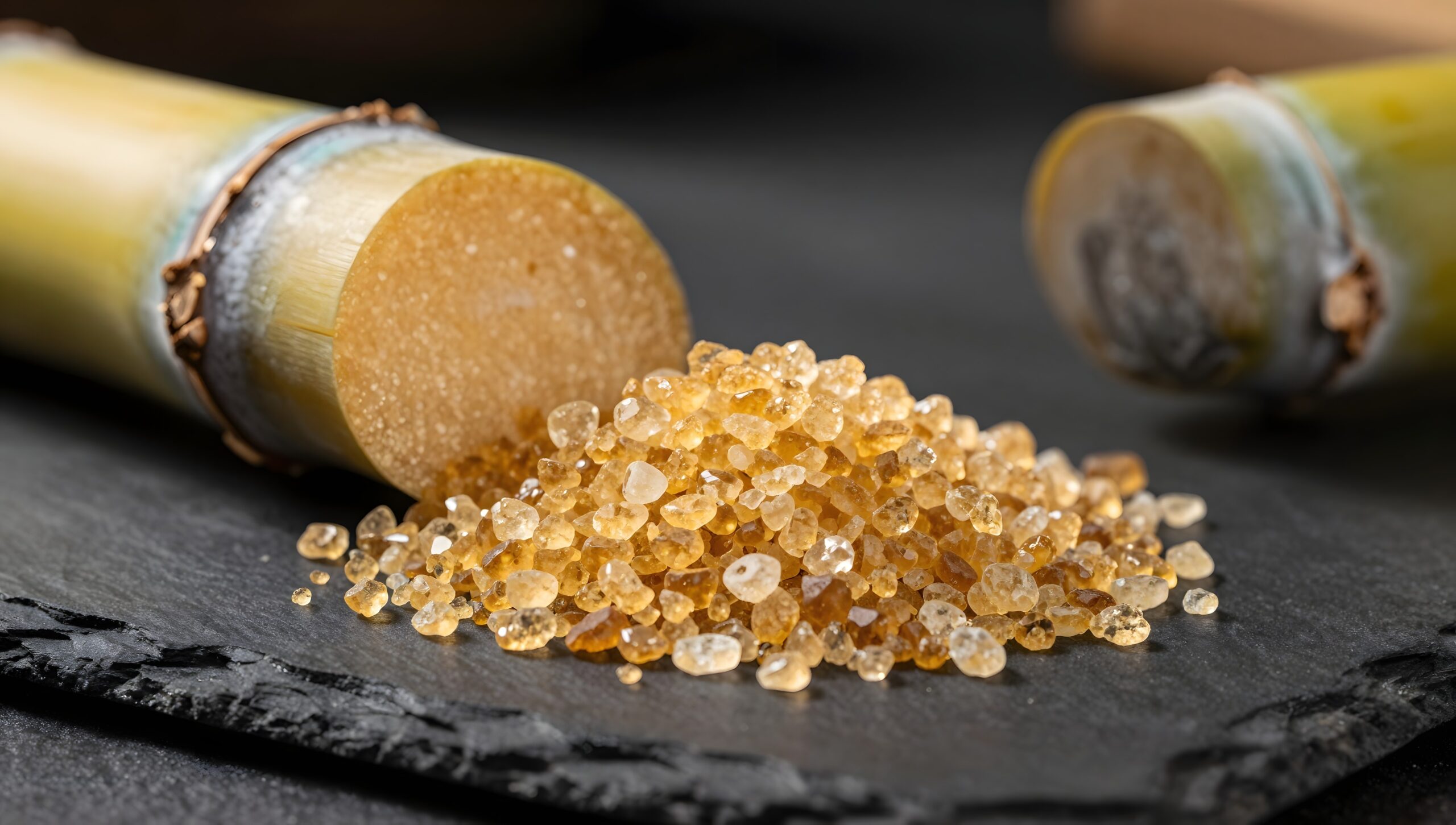
Vinasse, filter cake and boiler ash assessed for recoverable nutrients, minerals and organics.
The mill network, the automation layer and the AI running on it, assessed and defended together.
Technology scouting and commercialization: breakthrough technologies for cane, sugar, ethanol and bioenergy, sourced worldwide and brought to Brazil.
cane crushed in Centre-South Brazil, 2025/26
ethanol produced in the same season
vinasse per litre of ethanol, on average
water per tonne of cane in the sugar-energy sector
Sources: UNICA 2025/26 Centre-South harvest data; Embrapa review, 2025 (vinasse ratio); sector water-use reporting.
Industry 04
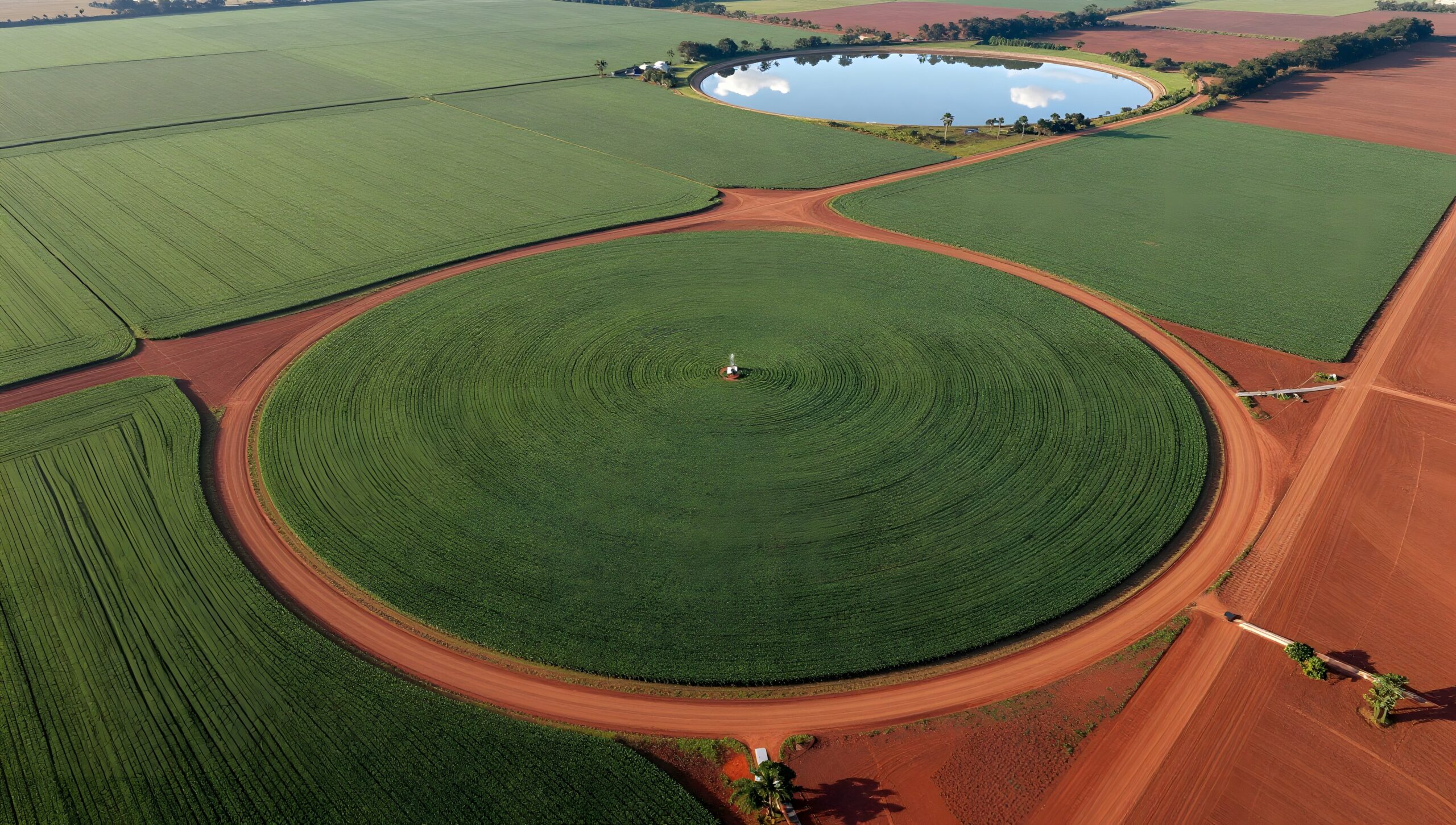
Brazil imports the great majority of its fertiliser while its own agro-industry generates nutrient-rich residues. We connect the two with recovery routes, water solutions and breakthrough agritech, biotechnology and advanced materials sourced worldwide.
Nutrient and mineral recovery routes from agro-industrial residues, validated in the laboratory and priced under risk.
Process, formulation and irrigation water: chemistry, membranes, reuse and effluent compliance.
Formulation and processing plants: reactors, blending, drying and packaging, with the mass balance closed.
Plant networks, laboratory data and AI systems protected across IT, OT and AI.
Technology scouting: breakthrough agritech, biotechnology and advanced materials brought to Brazil.
fertiliser imported by Brazil in 2025
of consumption produced domestically
of the potash used is imported
biostimulants market, 2025 to 2030
Sources: Insper Agro and farmdoc daily, 2026 (import dependence); Brazilian trade data, 2025; MarketsandMarkets, 2025 (biostimulants).
Industry 05
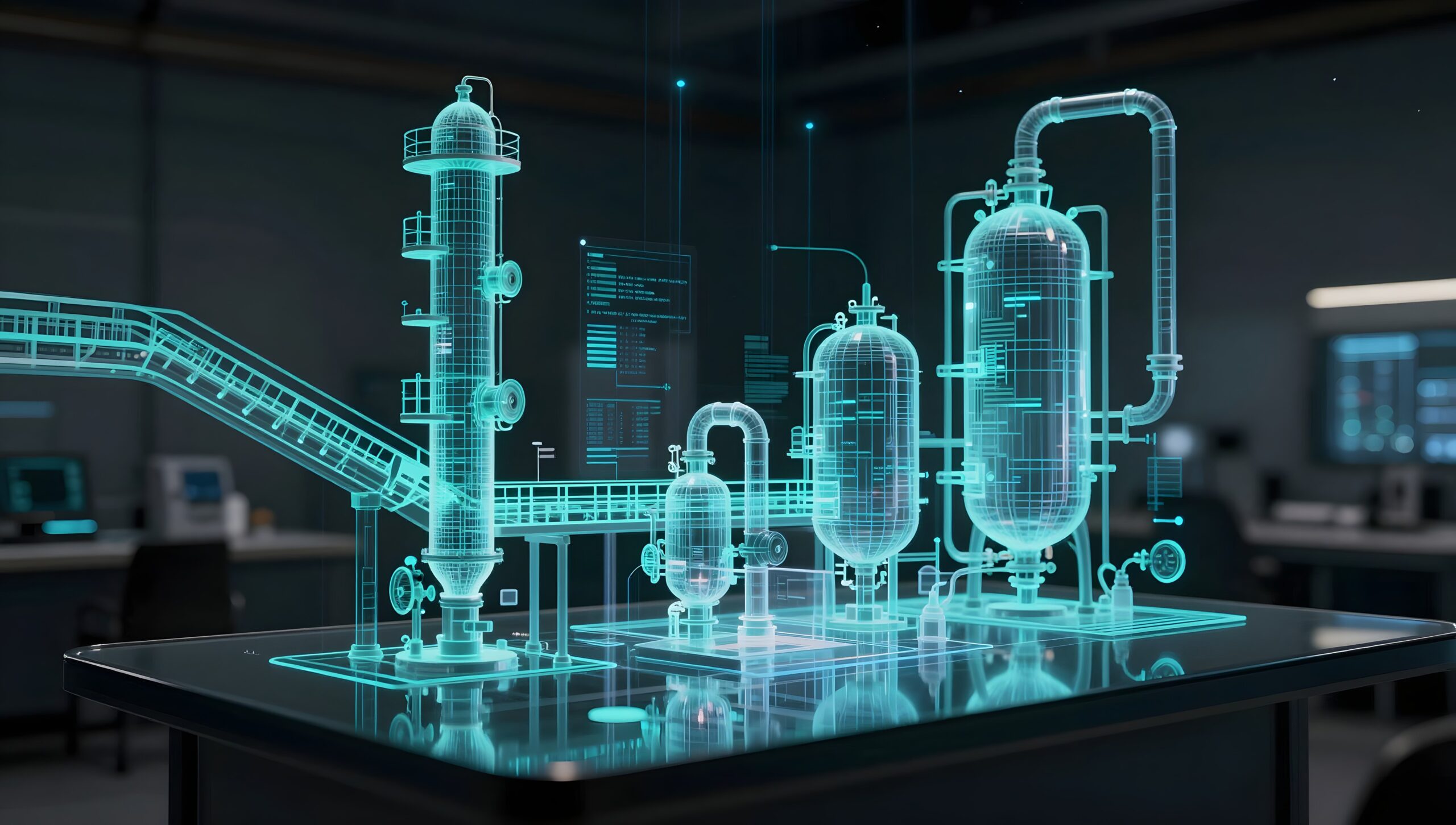
Most industrial AI stops at a dashboard. Ours is agentic and accountable: specialised agents for every layer of the plant, a deterministic engine floor that closes mass, water and energy balance, and one supervisor that resolves conflicts between layers and records why.
Ten domain layers in one control room, running in advisory, supervisory or closed-loop mode inside a signed envelope.
Layer two, operation: scaling and fouling flagged, not discovered.
Knowledge agents that cite their sources, a physics filter that rejects impossible routes and a robotic laboratory that proves what survives.
The oracle principle: an answer is only given once the physics, the permit and the cost have been checked and the risk has been priced.
domain layers reconciled as one plant picture
benchmark cost of an hour of unplanned downtime
operating modes: advisory, supervisory, closed loop
steps in the chain: sense, integrate, learn, predict, optimise, decide
Downtime figure is a published industry benchmark, not a guaranteed saving. Performance targets require site-specific validation.
Industry 06
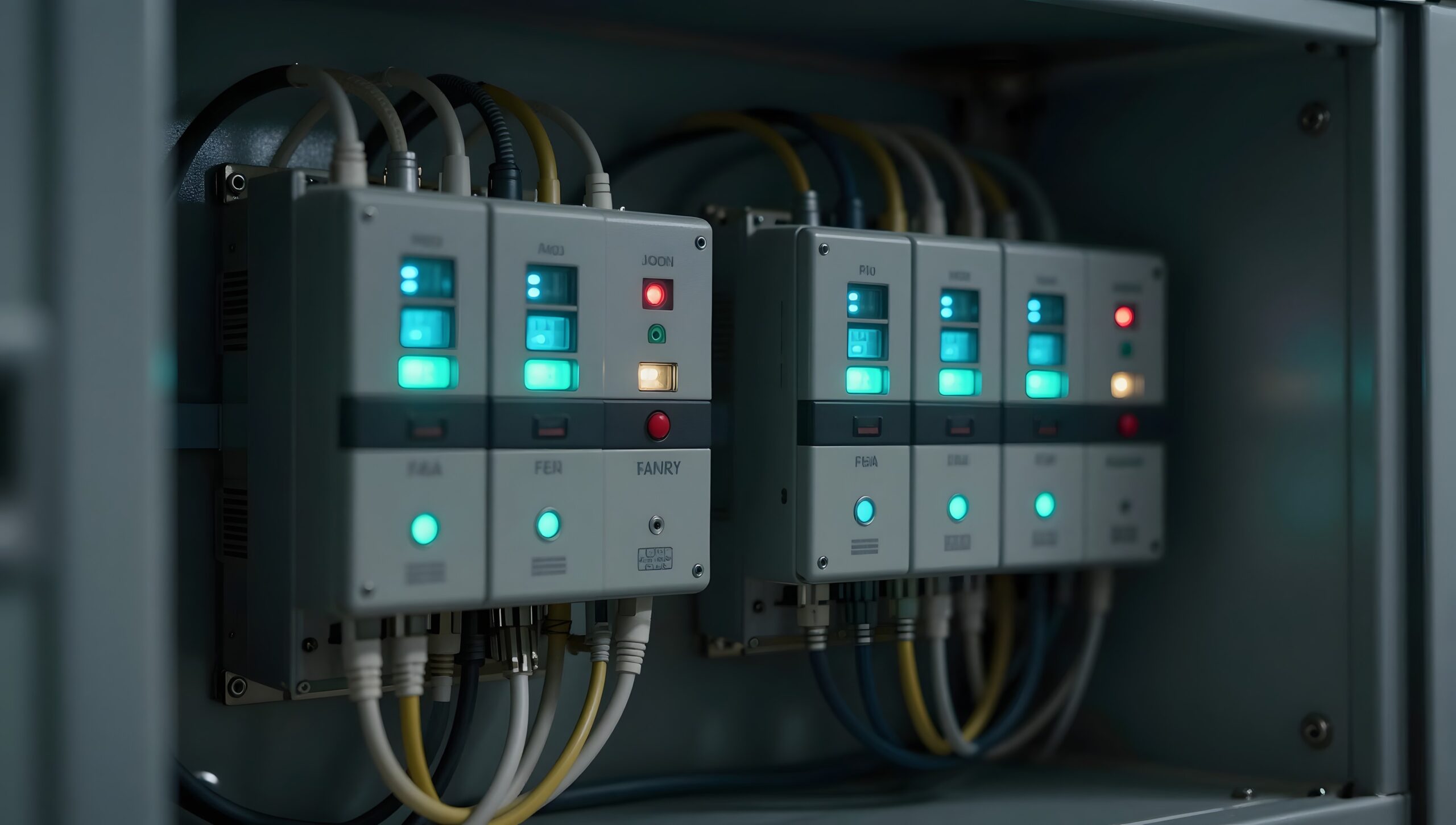
Water and mineral operations run on connected plants, remote vendors and industrial control systems. OreKeep Cyber secures them with one team across IT, OT and AI, planned with the engineers who run the plant, so security does not become the outage.
Assess, protect, monitor and hunt, respond: four stages and one chain of evidence, scoped per site.
Twenty services in five families, from governance and vCISO leadership to OT hardening, threat intelligence and incident response.
Defensive and offensive services for private-sector and government clients, always under written authorisation.
Recognised frameworks: NIST CSF, ISO/IEC 27001 readiness, CISA guidance for OT and OWASP for AI agents.
average time to detect and contain an OT ransomware incident
more ransomware groups targeting industrial organisations, year on year
services in five families, scoped per site
one integrated defence programme
Source: Dragos OT/ICS cybersecurity report, 2026.
Beyond these six
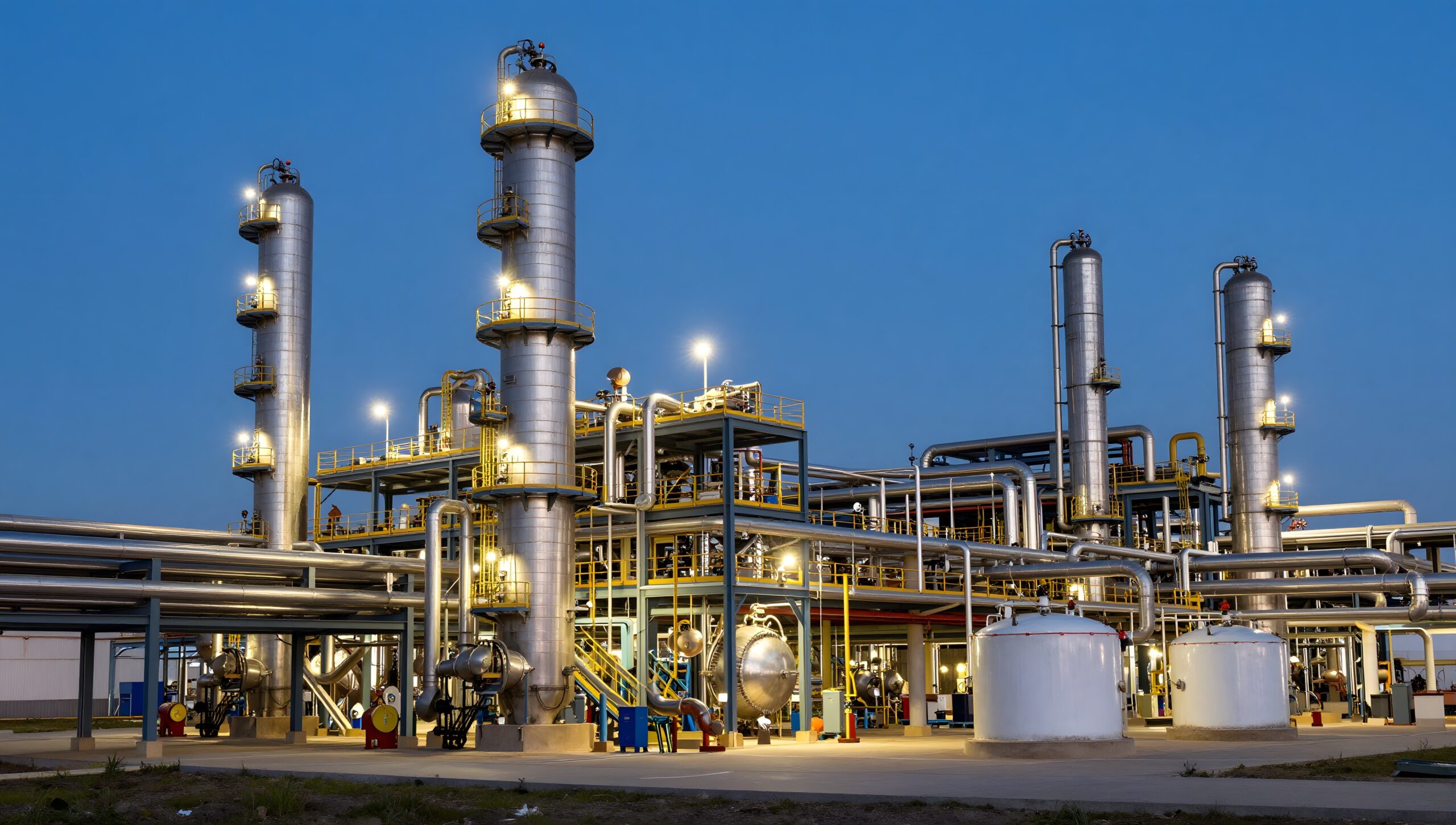
Pulp and paper, chemicals, food, industrial utilities, oil and gas: the challenges rhyme (water, recovery, energy, residues, data and cyber risk).
Tell us the process and the constraint. If we do not have the technology, we will scout it.
Tell us where the value is. We bring the technology, the partners and the path to market.

Banker Group
Technology & ventures team
Banker Group
Hello! Tell us about your industrial challenge or your technology, and we will get back to you.