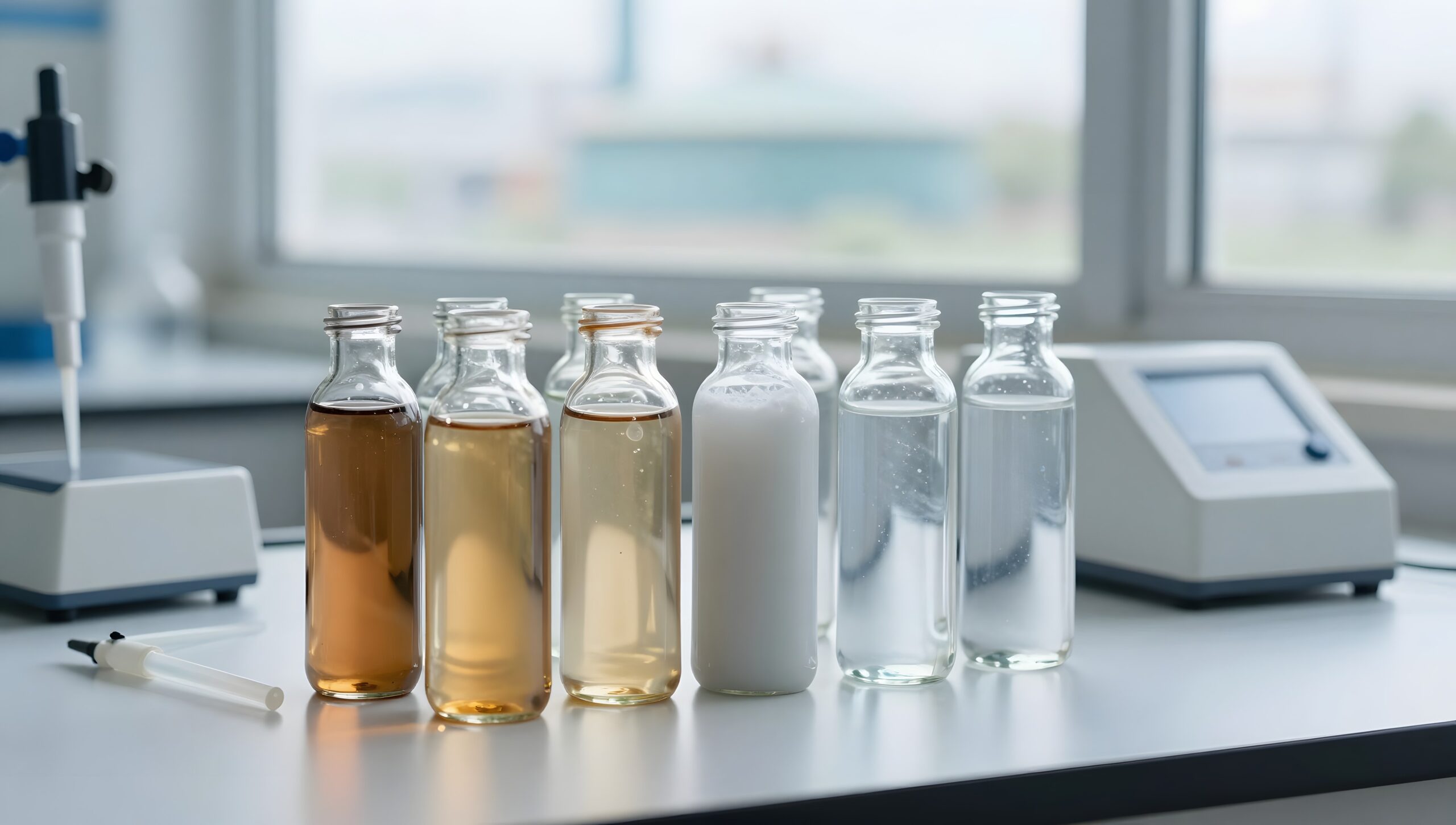
Industry accounts for just under a fifth of the world’s freshwater withdrawals, according to the United Nations World Water Development Report, and for many plants water is no longer a utility line in the budget but the constraint behind the operating licence. In industrial water treatment, the first question asked is usually which equipment to buy. It should be what the water actually contains.
One challenge, many processes
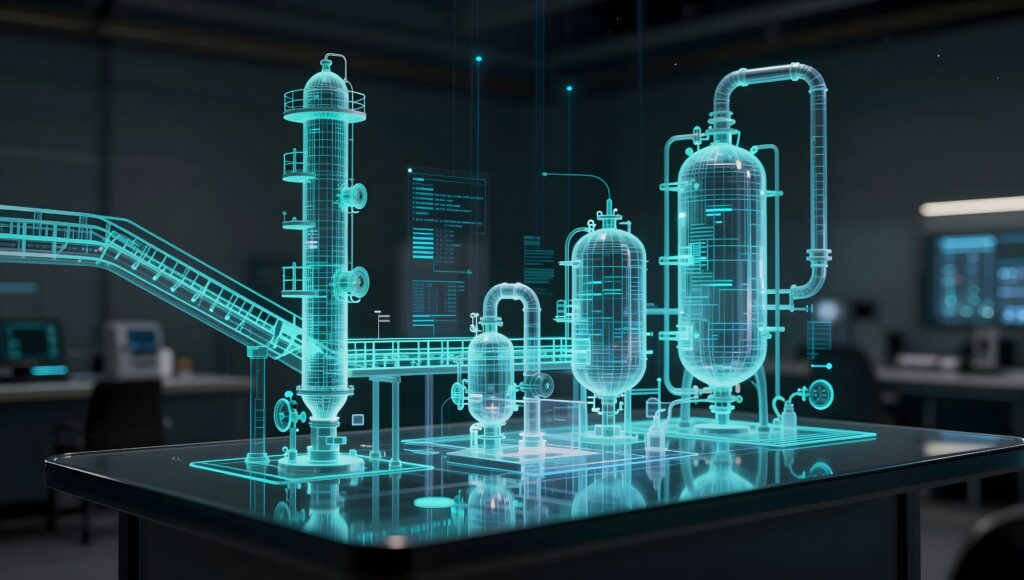
Almost every industrial water problem can be solved in more than one way. Removing sulphate from mine water, recovering condensate at a mill or reducing a smelter’s discharge can each be approached with different combinations of chemical treatment, biological processes, membranes, ion exchange, evaporation and crystallisation. The options differ in capital cost, but they differ far more in what they cost to run for twenty years, in how much water they recover and in how much waste they leave behind.
Suppliers naturally propose the technology they know best, and a single proposal can look convincing on its own. The owner’s task is different: to compare complete treatment trains, from intake to final discharge or reuse, on the same basis.
The chemistry sets the limits
The composition of the water decides what is possible. Calcium and sulphate set a ceiling on how far a stream can be concentrated before gypsum precipitates. Silica, barium and strontium impose limits of their own. Organic matter and biological activity drive fouling. Heavy metals and trace contaminants decide what the concentrate or the sludge can legally become.
A simple mass balance shows why this matters. A reverse-osmosis unit running at 75 per cent recovery concentrates the salts it rejects about four times; at 90 per cent, about ten times. Whether a given water can reach that recovery without scaling depends entirely on its chemistry. The same membrane can perform well on one site and fail on another.
Treatment is selected once, but it is paid for every day of the plant’s life.
Design for the range, not the average
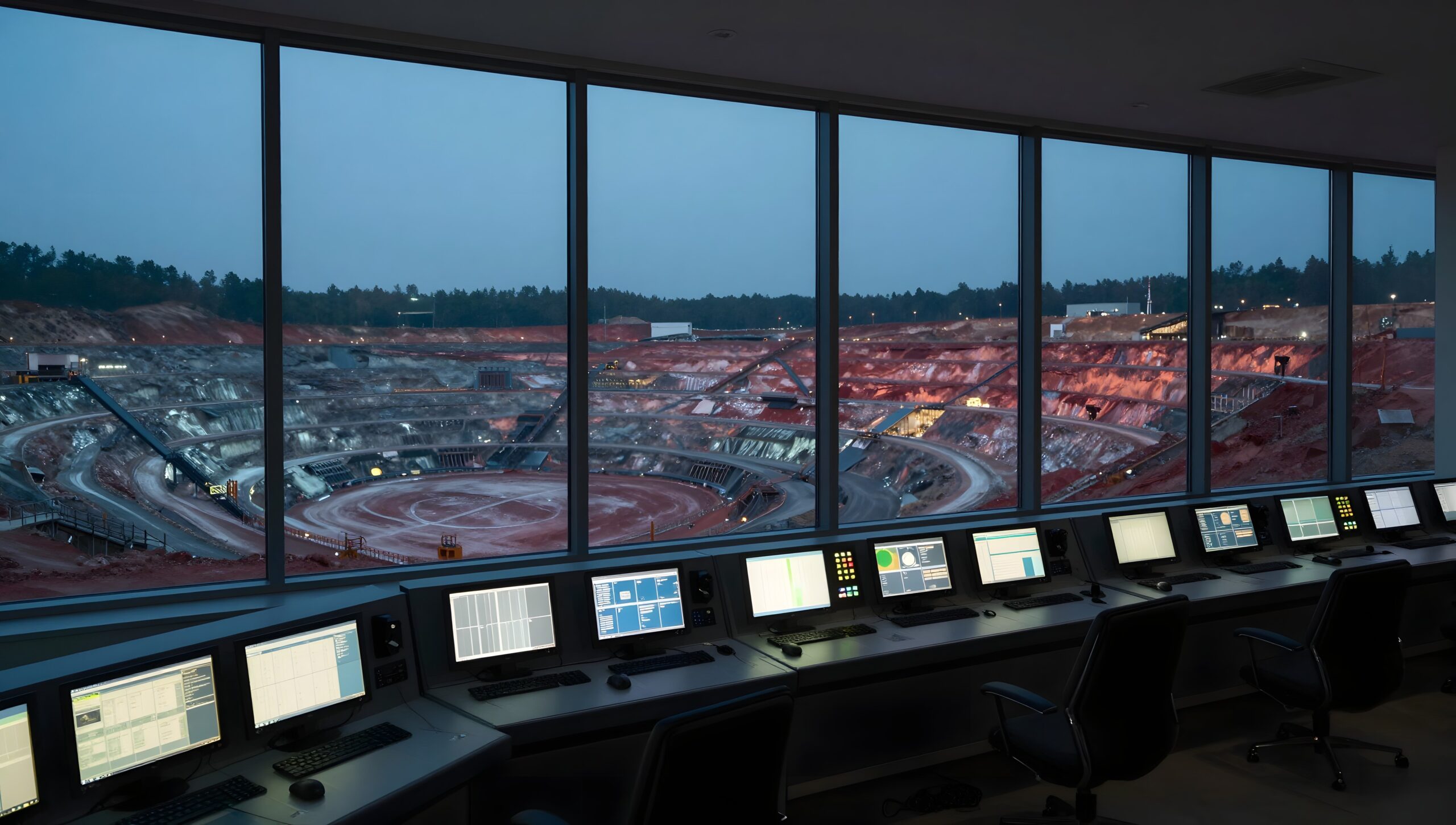
Industrial water is rarely stable. Mine water changes with rainfall and with the ore being processed; mill water changes over the harvest; process water changes with every adjustment upstream. A train designed for the average analysis can look good in a laboratory report and fail in the rainy season.
Good design starts from the range of conditions the plant will actually see, including the worst credible case, and checks that every step still works, and that the discharge still complies, across that whole range.
Whole-life cost and the permit
The cheapest plant to build is often the most expensive to run. Chemicals, energy, membrane replacement, sludge and brine disposal and operator time accumulate over the life of the plant, and the cost of non-compliance can exceed all of them. In Brazil, effluent discharge standards are set by CONAMA Resolution 430 of 2011, alongside state rules and the conditions of each licence, and water use itself is subject to grants and, in a number of river basins, to charges under the National Water Resources Policy.
Brazil holds around 12 per cent of the world’s fresh water, according to the national water agency ANA, but most of it lies in the Amazon basin, far from where most of the country’s industry operates. The São Paulo water crisis of 2014 and 2015 and the severe drought of 2021 showed how quickly an abundant resource can become a local constraint.
Questions worth asking before choosing
- Has the full water chemistry been characterised across the seasons, including the minor components that cause scaling and fouling?
- Have alternative complete trains been compared, or only alternative suppliers of the same train?
- Is the comparison based on whole-life cost, the volume of water recovered and the risk of non-compliance, rather than on capital cost alone?
- Where do the concentrate and the sludge go, and what will that cost in ten years?
Water treatment is an engineering decision with a long tail. Getting the chemistry right at the start is usually the cheapest improvement a plant can make. HydroQ, one of the group’s ventures, applies this chemistry-first discipline to water and process engineering.
Sources
- UNESCO on behalf of UN-Water, United Nations World Water Development Report 2024
- CONAMA, Resolution 430/2011 on effluent discharge conditions and standards, 2011
- Government of Brazil, Law 9,433/1997, National Water Resources Policy, 1997
- ANA (National Water and Sanitation Agency), Brazil’s share of the world’s fresh water, 2019