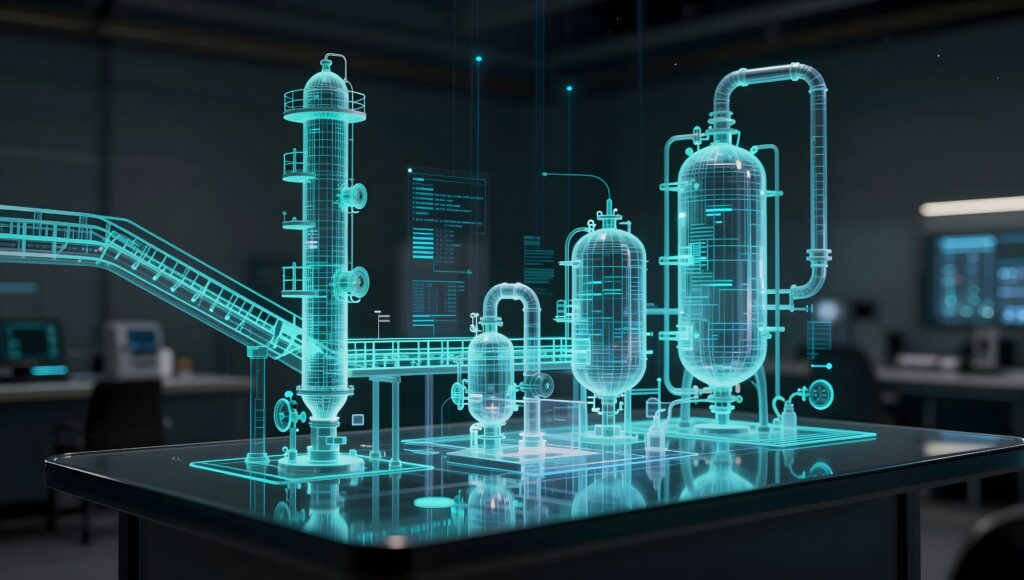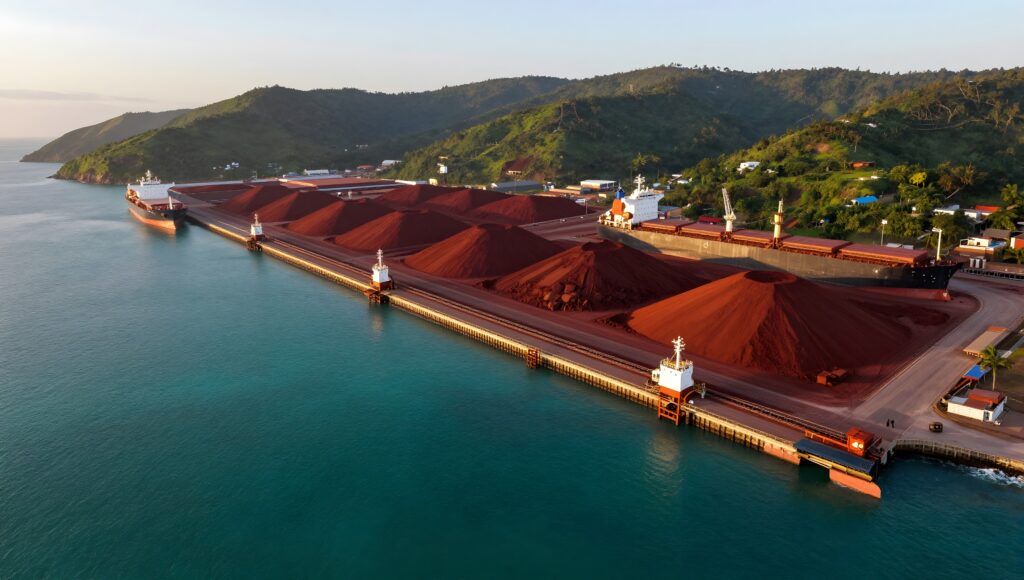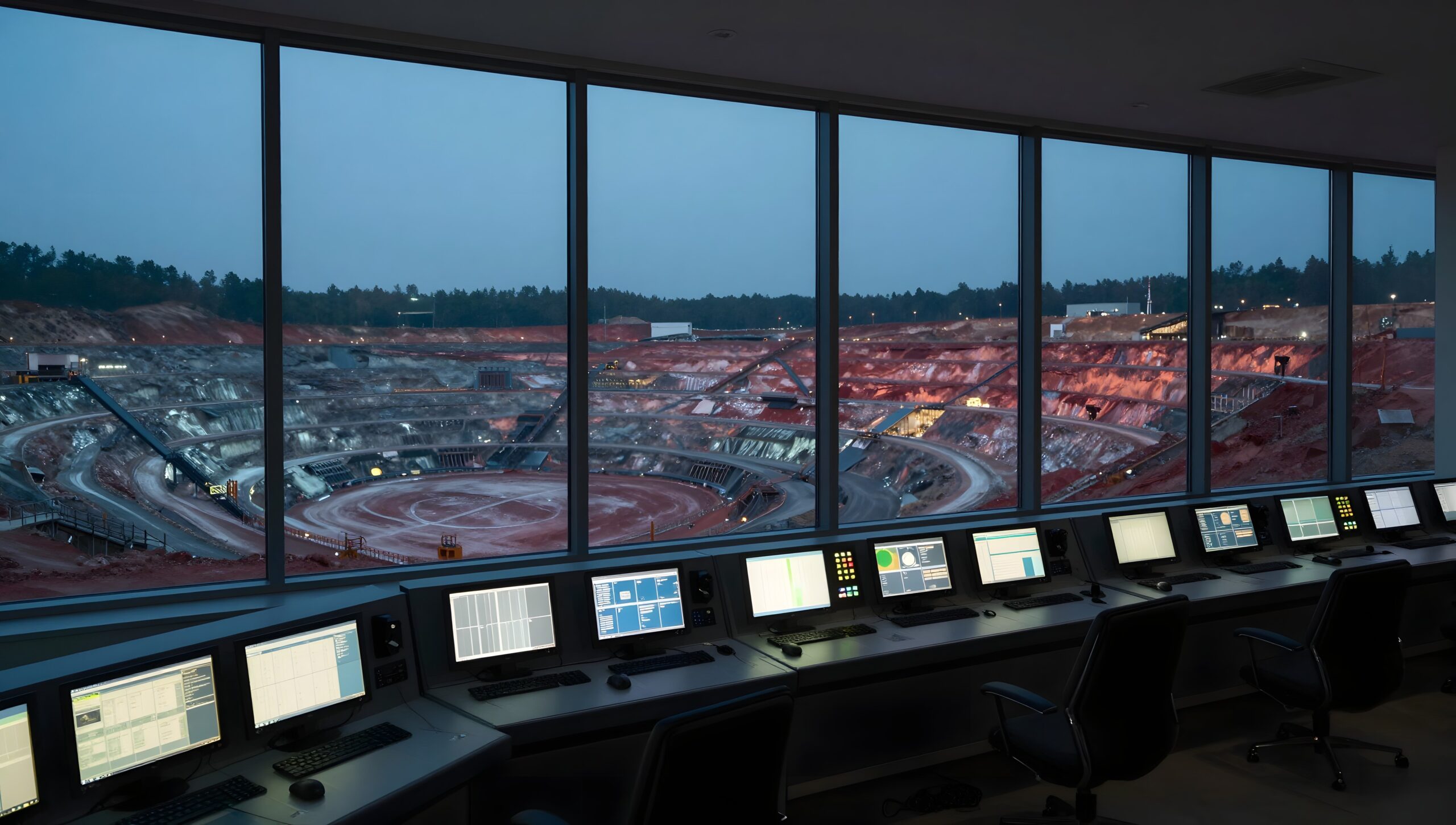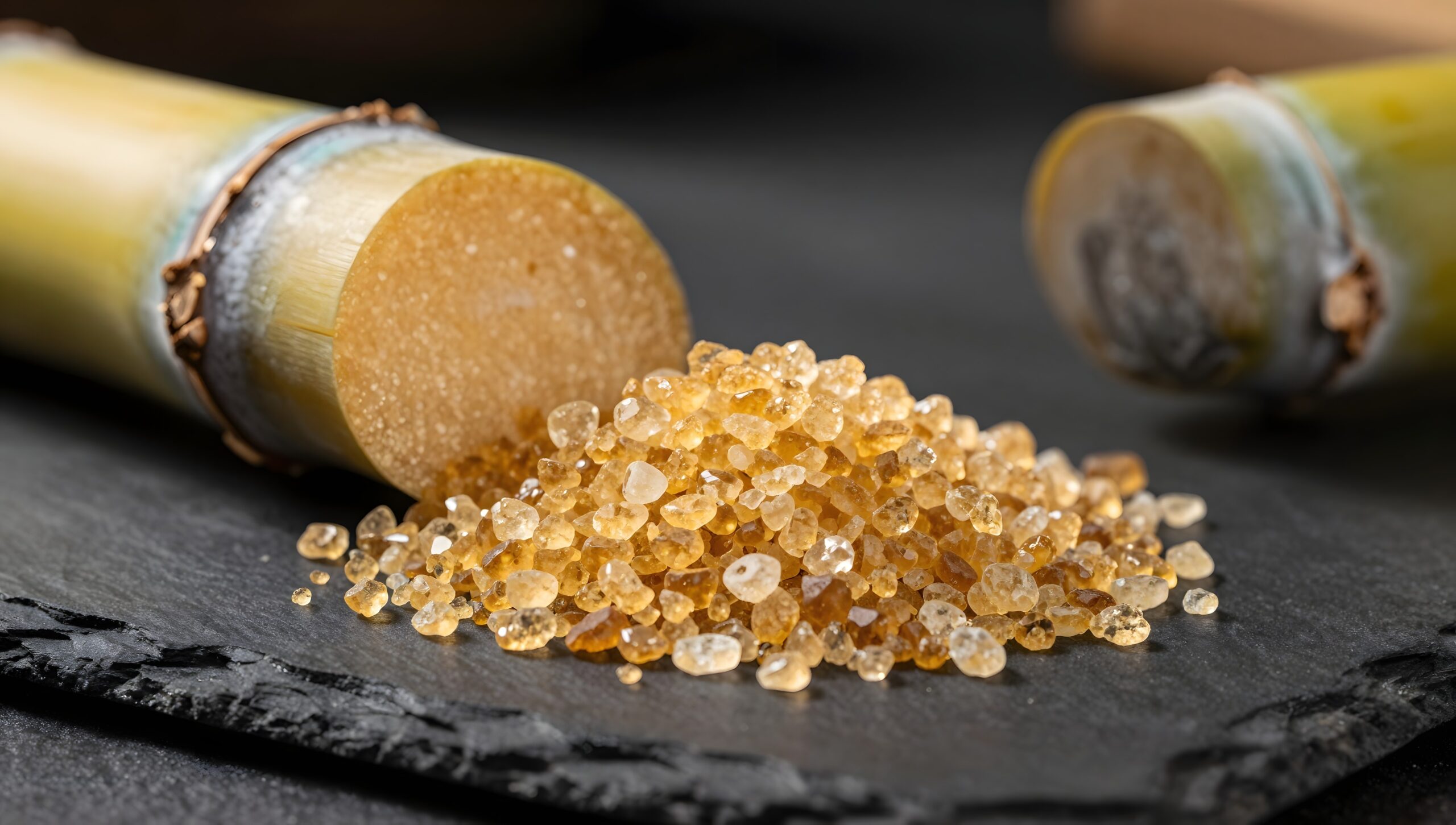
Seen from the cane yard, a sugarcane mill is a factory. Seen from the balance sheet, it is three: a process plant that turns cane into sugar and ethanol, a water plant that moves and reuses very large volumes, and a power plant that burns bagasse to run the site and, increasingly, to export electricity. Each is usually managed on its own terms. Much of the value that mills leave on the table sits at the interfaces between them.
Scale that turns small margins into large numbers
Brazil is the world’s largest sugarcane producer, and the Centre-South region accounts for most of the national crop. In the 2025/26 season, its mills crushed about 611 million tonnes of cane and produced 40.4 million tonnes of sugar and 33.7 billion litres of ethanol, more than a quarter of it from corn, according to UNICA. At that scale, a fraction of a percentage point in extraction, steam consumption or fermentation yield is worth more than many stand-alone projects.
Mills also work to a calendar that punishes surprises. Crushing is concentrated in the harvest months, so an unplanned stop in mid-season is not recovered later: the cane either waits and loses sugar, or goes elsewhere.
The process plant
The process chain is long and tightly coupled: cane preparation and milling or diffusion, juice treatment, evaporation, the boiling house, fermentation and distillation. The sugar–ethanol mix shifts with prices, sometimes within a single season, and each shift changes the load on every downstream unit. Optimising one unit in isolation, for example by pushing extraction harder, can raise steam demand or send more impurities to fermentation, and quietly cost more than it gains.
The water plant
Cane is roughly 70 per cent water, so in principle a mill brings in more water with its raw material than it needs. In practice, mills move very large volumes through imbibition, condensers, cooling circuits, boiler feed and cleaning, and their water licence depends on how well those circuits are closed. Over the past decades, the sector has cut its fresh-water withdrawal per tonne of cane substantially by reusing condensates and closing loops. The remaining gains depend on managing water as one network rather than as a set of separate utilities.
The power plant
Bagasse, roughly a quarter of the weight of the cane, feeds the boilers that supply the mill’s steam and electricity, and many mills export surplus power to the grid. Every tonne of steam saved in evaporation or in the boiling house is bagasse that can be burned for export, stored for the off-season or sold. The steam balance is where the three plants meet, which is why it is so hard to optimise from inside any one of them.
Most of the value a mill leaves on the table sits at the interfaces between its three plants.
Residues as a product line
Each litre of cane ethanol leaves behind, on average, 10 to 13 litres of vinasse, and as much as 20 in some distilleries, which means the sector generates vinasse in the hundreds of billions of litres each season. Most of it returns to the fields through fertirrigation, where its potassium has real agronomic value, but its volume, its seasonality and the cost of moving a dilute liquid limit how far it can travel. Filter cake, rich in phosphorus and organic matter, and boiler ash follow a similar pattern: useful close to the mill, a cost further away.
Some mills already concentrate vinasse or send it to biodigestion to produce biogas and biomethane. The broader opportunity is to treat each residue stream as a source of defined products, whether nutrients, energy or minerals, with a specification and a market, rather than as a disposal line in the environmental licence.
One picture of the plant
The common thread is that each of these problems becomes visible only when the three plants are seen together. A decision in the boiling house changes the steam balance, which changes the bagasse surplus, which changes both the power export and the water drawn for cooling. Plant-wide models that respect those links, and data that crosses the traditional boundaries between departments, are what turn local improvements into site-wide gains.
Banker Group works with the sector on both fronts: PreAur, one of the group’s ventures, brings plant-wide operational intelligence to mills, while Corterra 770 assesses residue streams for recoverable value.
Sources
- UNICA, final report of the 2025/26 Centre-South harvest, 2026
- FAO, FAOSTAT crop production statistics
- Embrapa (Alice repository), Oliveira, Ramos and Silva, sustainability assessment of vinasse use alternatives, 2025
- Frontiers in Energy Research, Rodrigues Reis and Hu, vinasse from sugarcane ethanol production, 2017