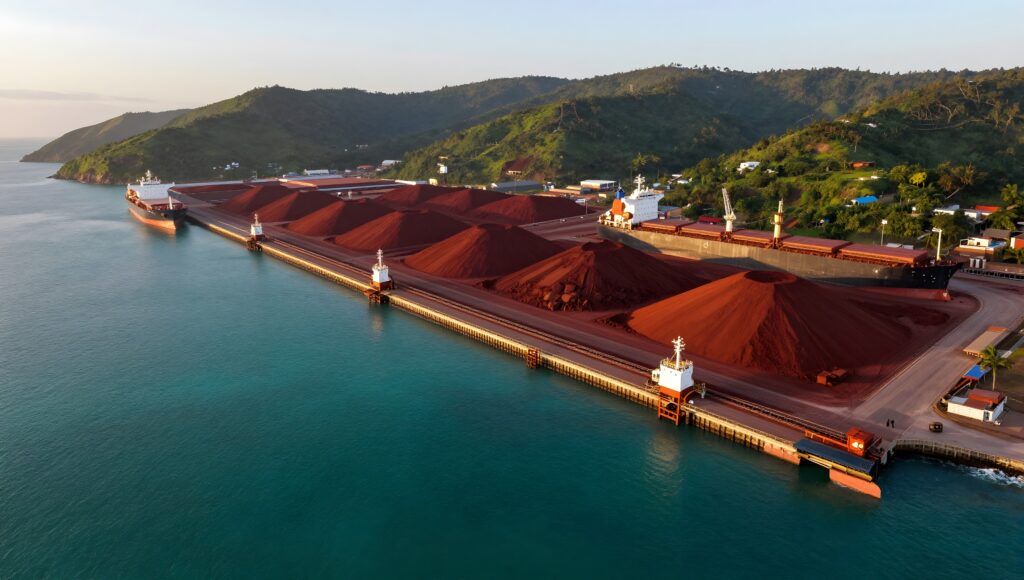
Brazil is one of the world’s great agricultural exporters and one of its most exposed fertiliser importers. It accounts for around 8 per cent of global fertiliser consumption, the fourth-largest share after China, India and the United States, according to the National Fertiliser Plan. Yet most of what Brazilian farmers apply arrives by sea.
The scale of the dependence
According to ANDA figures cited in the plan, Brazil imported 85 per cent of the fertiliser it consumed in 2020. Potassium, the nutrient Brazilian agriculture applies most, is also the one it imports almost entirely: 96.4 per cent in 2020. For phosphates, import dependence rose from 44 per cent in 2000 to 72 per cent in 2020. Volumes have kept growing since: Conab reports record imports of 45.5 million tonnes in 2025, up from 44.3 million tonnes in 2024.
The risk became tangible in 2021 and 2022, when supply disruptions and the war in Ukraine sent international fertiliser prices sharply higher and exposed how concentrated the main supplying countries are. The National Fertiliser Plan, launched in 2022, set the goal of reducing import dependence to around 45 per cent by 2050, through new domestic production, more efficient use and alternative sources.
Nutrients that are already here
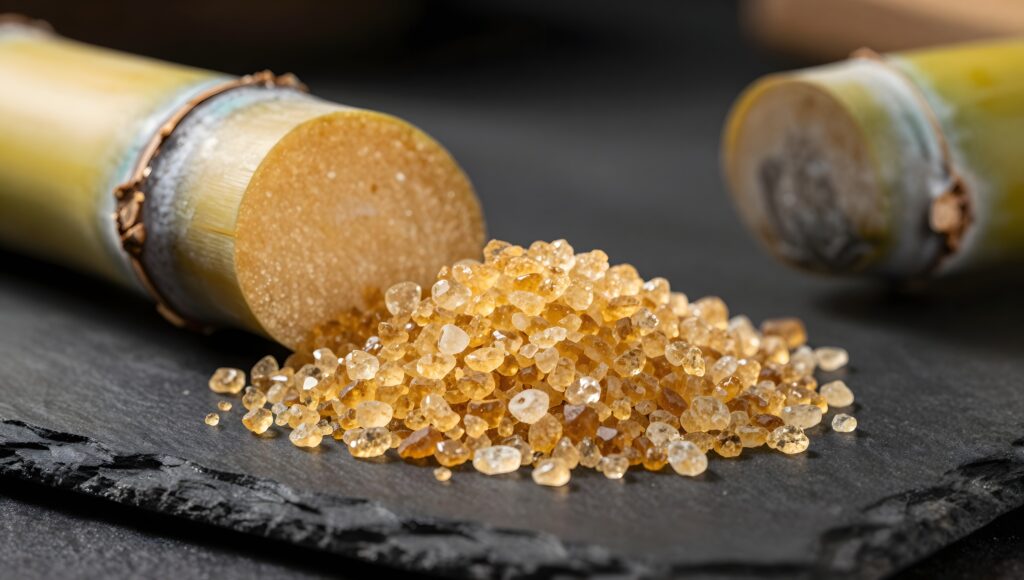
Part of the answer is geological: new phosphate and potash projects, and rock-dust remineralisers, recognised as a category of agricultural input in Brazilian law since 2013. Another part is already circulating through the country’s agro-industry. Soy, corn and sugarcane account for more than 73 per cent of Brazil’s fertiliser use, and cane mills return part of those nutrients in their residues: vinasse, rich in potassium; filter cake, carrying phosphorus and organic matter; and boiler ash. Poultry and pig farming, food processing and urban sewage add streams rich in nitrogen and phosphorus.
The plan itself recognises the opportunity. It lists organomineral and organic fertilisers, by-products with agricultural potential and bio-inputs among the emerging opportunities, and notes that the chain for using residues as fertilisers is not yet consolidated in Brazil and that regional information on the availability and characteristics of residues is still lacking.
A residue becomes a fertiliser when it has a specification, not when it has a destination.
Why recovery is harder than it looks
Residues are dilute, wet, variable and seasonal. Vinasse is mostly water, which makes it expensive to move far from the mill, and its composition changes with the cane, the time of the harvest and the process. Manures and sludges can carry pathogens, and some residues contain metals or salts that restrict where they can be applied.
A farmer, or a fertiliser blender, does not buy a residue. They buy a product with a guaranteed nutrient content, a predictable release, a physical form that works in their equipment and a registration that allows it to be sold. The plan identifies the standardisation of raw materials as the greatest difficulty in organomineral production, and describes organomineral products as still fairly basic, usually simple granules, with much to improve in the consistency of their nutrient content. Closing that gap is an engineering and regulatory task as much as an agronomic one.
What it takes to close the gap
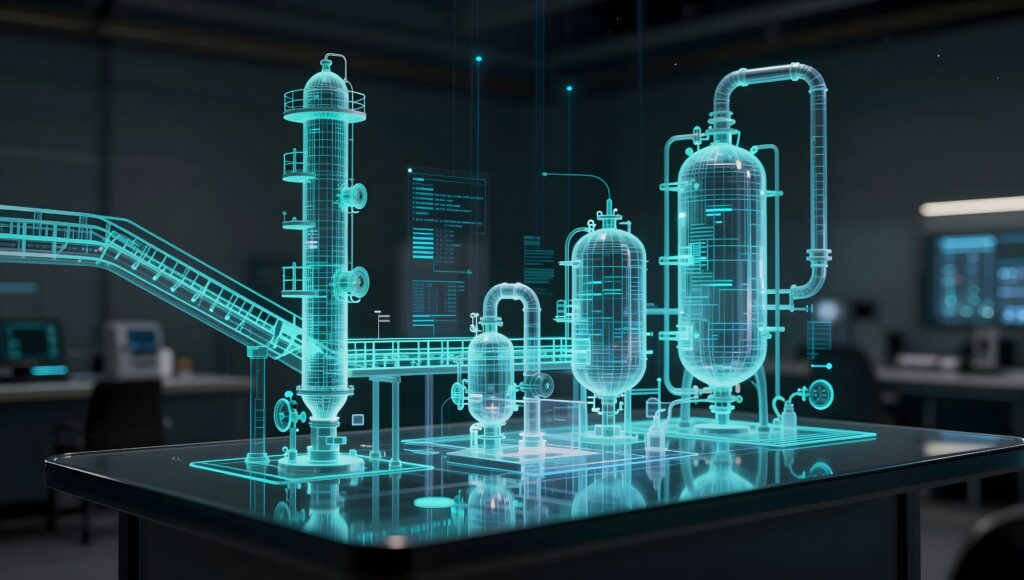
The residues are already being generated and handled, at a cost. Nutrient recovery at scale requires a clear inventory of what each stream contains and how much it varies; processes that concentrate and stabilise the nutrients without spending more energy than the product is worth; specifications that meet registration rules; and logistics that match seasonal supply to seasonal demand. None of this will replace imported potash on its own. Together, it can reduce exposure, add value to residues that are today a disposal cost and return nutrients to the soils they came from.
Efficiency belongs in the same equation. The plan cites estimates that 40 to 70 per cent of the nitrogen, 80 to 90 per cent of the phosphorus and 50 to 90 per cent of the potassium applied to crops are not taken up by the plant. Products that release nutrients when and where the crop needs them reduce demand, not only imports.
Within Banker Group, Corterra 770 evaluates residue streams for recoverable nutrients and minerals, and HydroQ addresses the water that comes with them.
Sources
- Government of Brazil, National Fertiliser Plan 2022–2050 (Plano Nacional de Fertilizantes), 2022
- Ministry of Agriculture, announcement of the National Fertiliser Plan targets, March 2022
- ANDA, fertiliser market statistics, 2021, as cited in the National Fertiliser Plan
- Conab, Boletim Logístico, January 2026