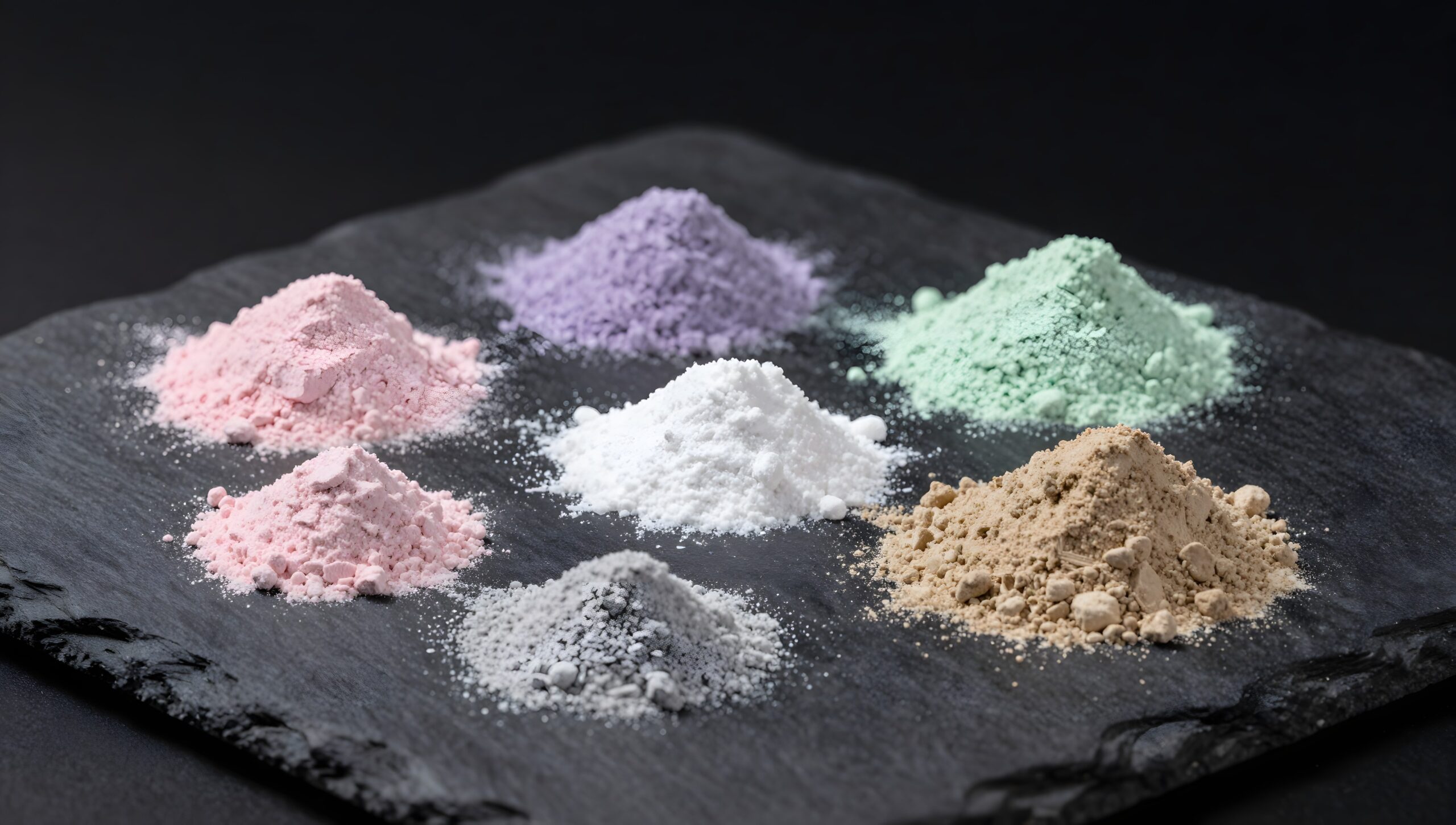
The name is a historical accident. The rare-earth elements, the fifteen lanthanides plus scandium and yttrium, were named in the late eighteenth and early nineteenth centuries, when the first of them were found in unusual minerals in Sweden and isolated as oxides, then known as “earths”. Rare they are not. According to the US Geological Survey, the more abundant rare earths are each about as common in the Earth’s crust as copper, nickel, zinc or lead, and even the two scarcest are nearly 200 times more common than gold.
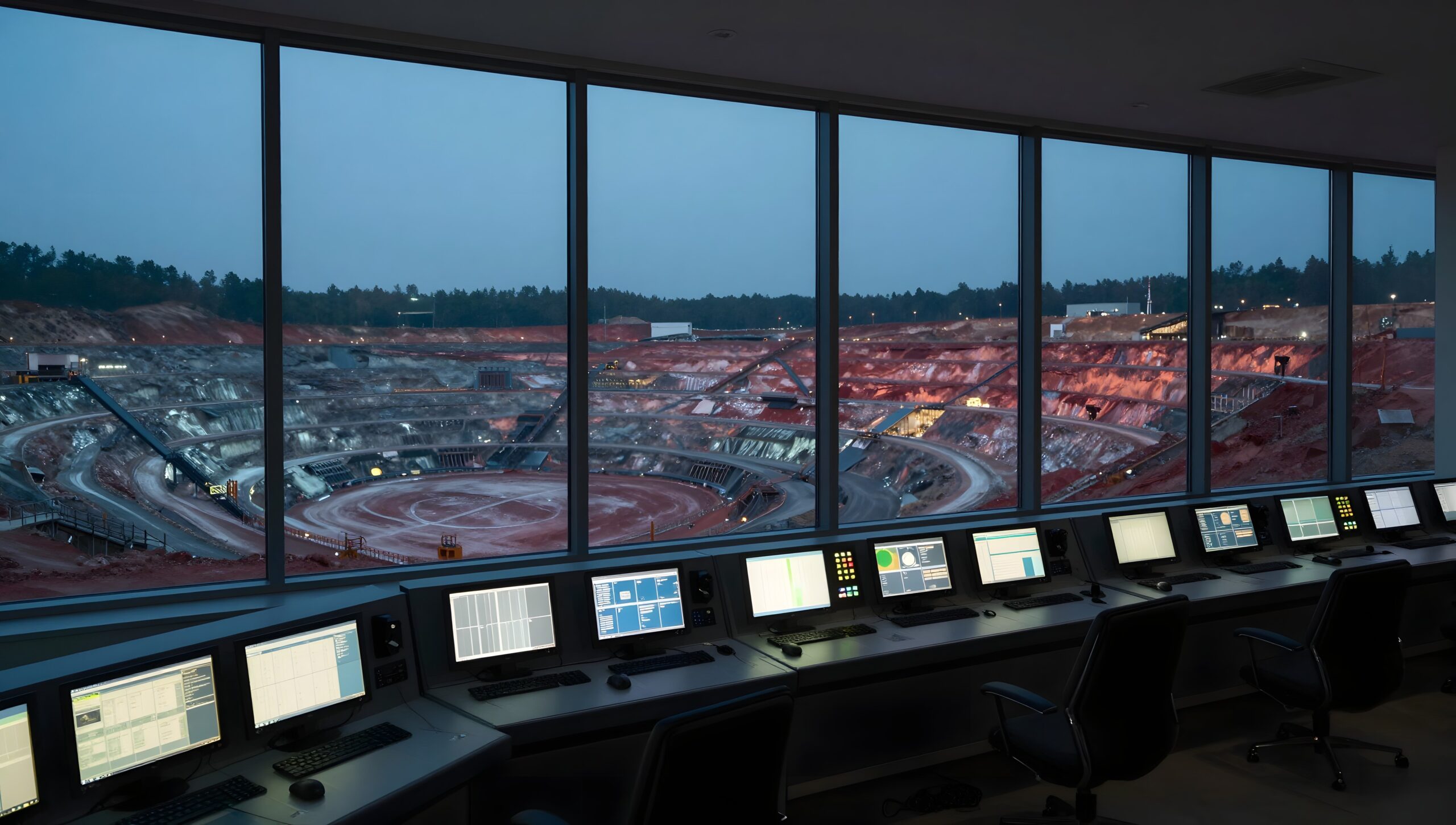
What is rare is concentration, and harder still is separation. The USGS notes that minable concentrations of rare earths are less common than for most other mineral commodities. And when a deposit is found, the elements come out of the ground together, in proportions set by geology rather than by demand.
Chemistry that resists being sorted
Chemically, the lanthanides are a family of near-twins. In solution they share the same typical charge and differ only slightly in ionic size, a gradual shrinkage across the series known as the lanthanide contraction. Separating neodymium from praseodymium, or dysprosium from terbium, therefore means exploiting very small differences, over and over again.
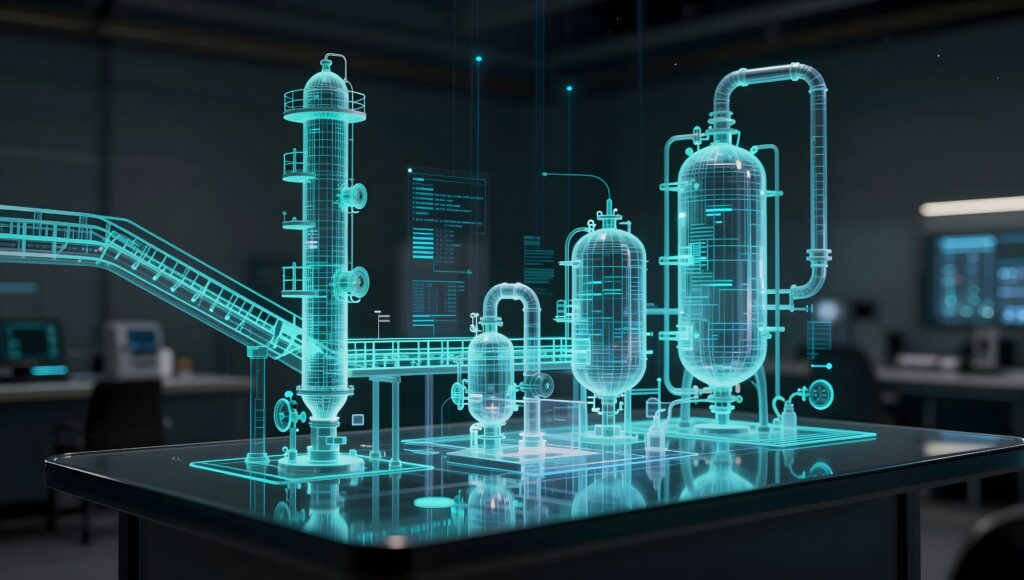
Conventional rare-earth separation does this by solvent extraction, in long cascades of mixing and settling stages that can run into the hundreds for a full separation. The process is capital- and reagent-intensive, slow to commission, and must safely manage the radioactive thorium and uranium that often accompany rare-earth ores. Building that capacity takes years and specialised know-how, which is why it sits in so few places.
Where the value and the risk concentrate
Mining is more widely spread than refining. The International Energy Agency estimates that China accounted for around 60 per cent of global mining of the rare earths used in magnets in 2024, but about 91 per cent of their separation and refining. Its share of sintered permanent-magnet production has risen to some 94 per cent, from around half two decades ago. The IEA’s 2026 outlook records a modest decline in rare-earth refining concentration in 2025, as new projects started in the United States and output grew in Malaysia: a real shift, but a small one.
Those magnets, made mainly with neodymium and praseodymium and, in high-temperature grades, dysprosium and terbium, sit in electric-vehicle motors, wind turbines, industrial drives and data centres. In April 2025, China introduced export controls on several heavy rare earths, including dysprosium and terbium, and the IEA’s 2026 outlook reports that these were trading in Europe at around five times Chinese domestic prices. The bottleneck is not only an economic one.
The scarcity in rare earths is not in the ground. It is in the capacity to separate them.
Brazil’s position
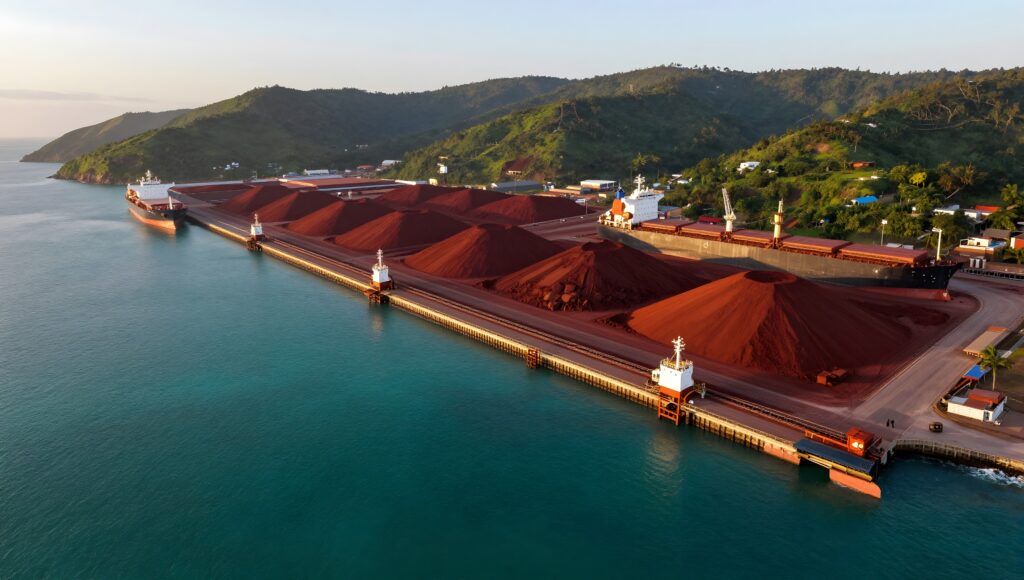
Brazil’s rare-earth resources are substantial. The USGS puts the country’s reserves at about 11 million tonnes of rare-earth oxide, second only to China’s in its tables, yet Brazilian mine output in 2025 was estimated at around 2,000 tonnes, against 270,000 tonnes in China and 390,000 tonnes worldwide. Some Brazilian deposits are ionic clays with elevated levels of heavy rare earths such as terbium and dysprosium, precisely the elements the magnet industry finds hardest to source.
Turning that geology into supply depends less on finding more ore than on building separation and refining capacity close enough to the resource for the economics to work.
Recovery from streams that already exist
Mines are not the only source. Rare earths also pass through phosphate processing and its residues, acidic mine waters, tailings, and end-of-life magnets and electronics. These streams are already being pumped, stored or treated, often at a cost, and in many cases their rare-earth content is simply not recovered.
Recovering it selectively, close to where the stream is generated and before the elements are dispersed into waste, changes the question from where to find a new deposit to how to extract value from material that is already above ground. It will not replace primary mining, but it can add and diversify supply while reducing the environmental liability of the stream itself.
NanoREE, one of the group’s strategic ventures, works on the extraction and refining of rare-earth elements on the same premise: the scarcity lies in separation, not in the ground.
Sources
- USGS, Mineral Commodity Summaries 2026: Rare Earths; Rare Earths (Heavy), 2026
- USGS, Fact Sheet 087-02, Rare Earth Elements: Critical Resources for High Technology, 2002
- IEA, commentary “With new export controls on critical minerals, supply concentration risks become reality”, 2025
- IEA, Global Critical Minerals Outlook 2026